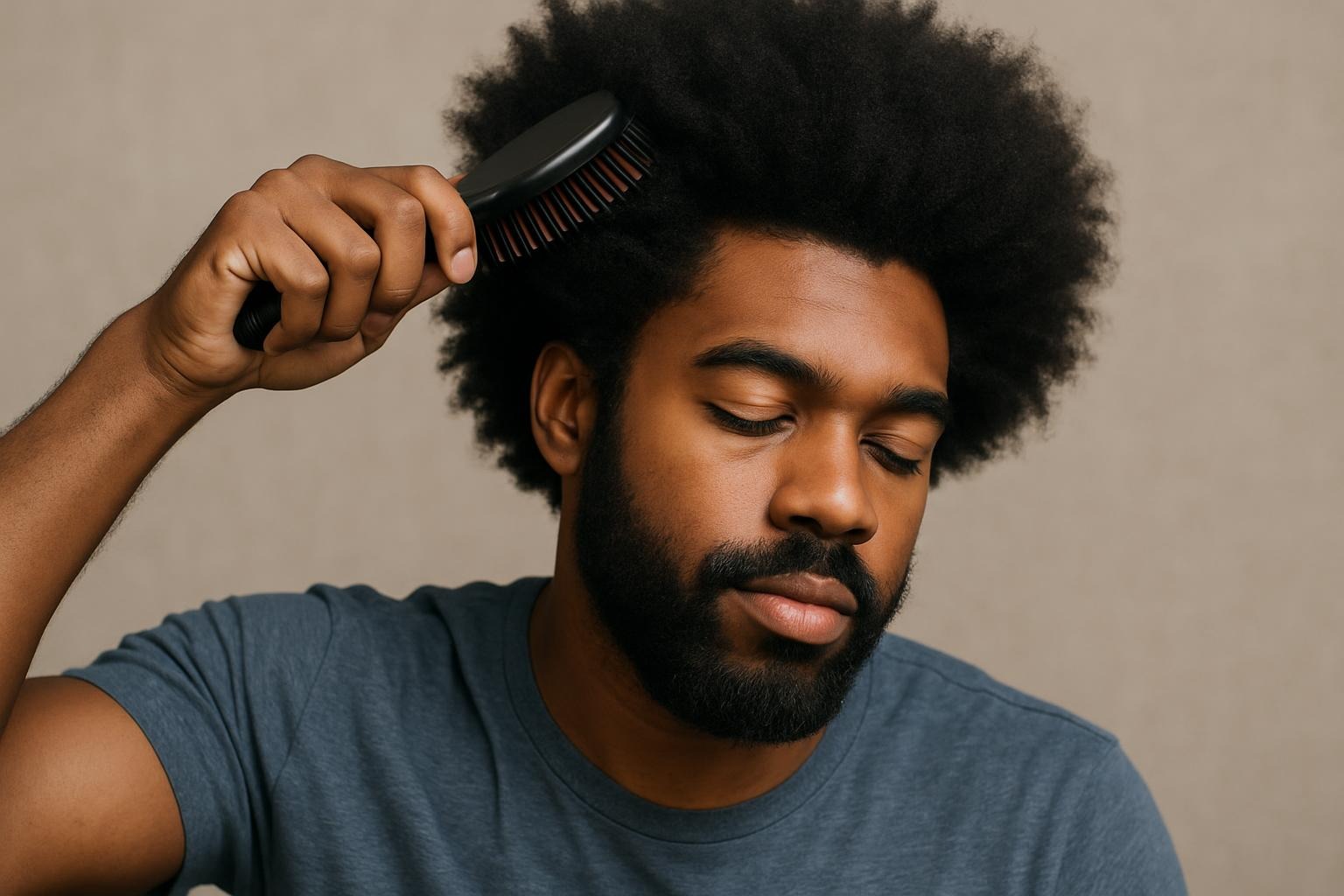
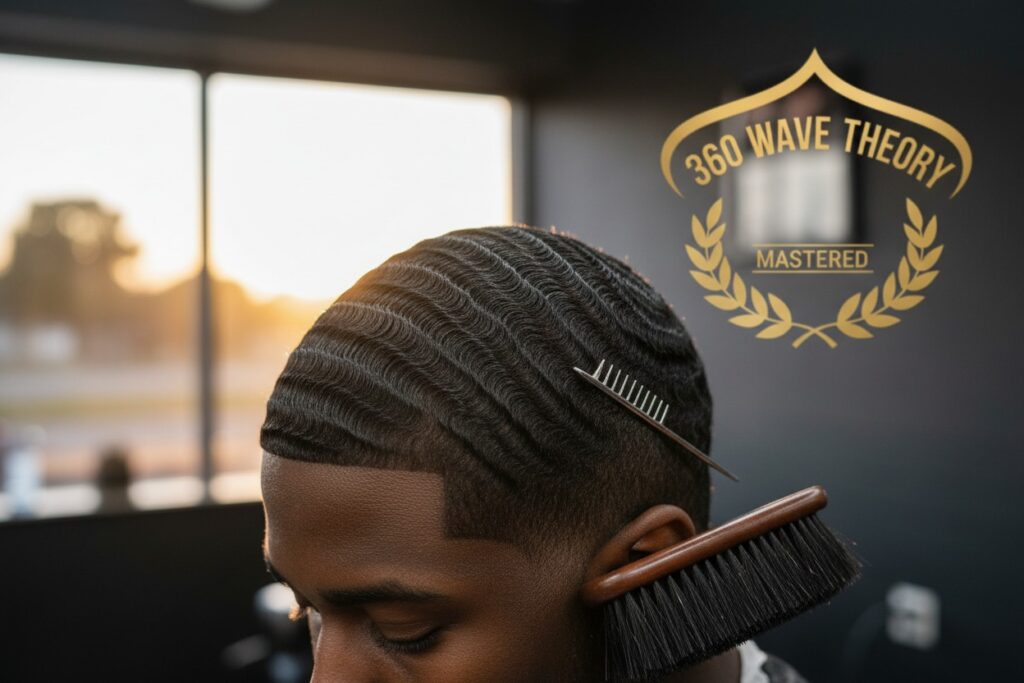
360 Wave Theory: Mastered.
To the uninitiated, “waves” are just a hairstyle. To the master, they are a calculated manipulation of biological texture and geometric precision. Wave Theory is the study of training your hair follicles to lie at a specific angle, creating a rhythmic pattern of light and shadow known as “ripples.”
Here is the masterclass on the science, physics, and discipline behind the 360° flow.
1. The Biological Foundation: Follicle Memory
Hair doesn’t naturally want to lie flat. Each strand grows out of the scalp at a specific exit angle. “Wave Theory” is essentially the process of Follicle Training.
- The Cuticle: Hair is covered in microscopic scales. When you brush, you are smoothing these scales down in a unified direction.
- The Memory: By consistently brushing and then applying compression (the durag), you are forcing the hair to “remember” a flat, curved state rather than its natural vertical or coiled state.
- The Growth Cycle: This is why you can’t get waves in a day. You have to wait for new growth to emerge and train it immediately before it has a chance to curl upward.
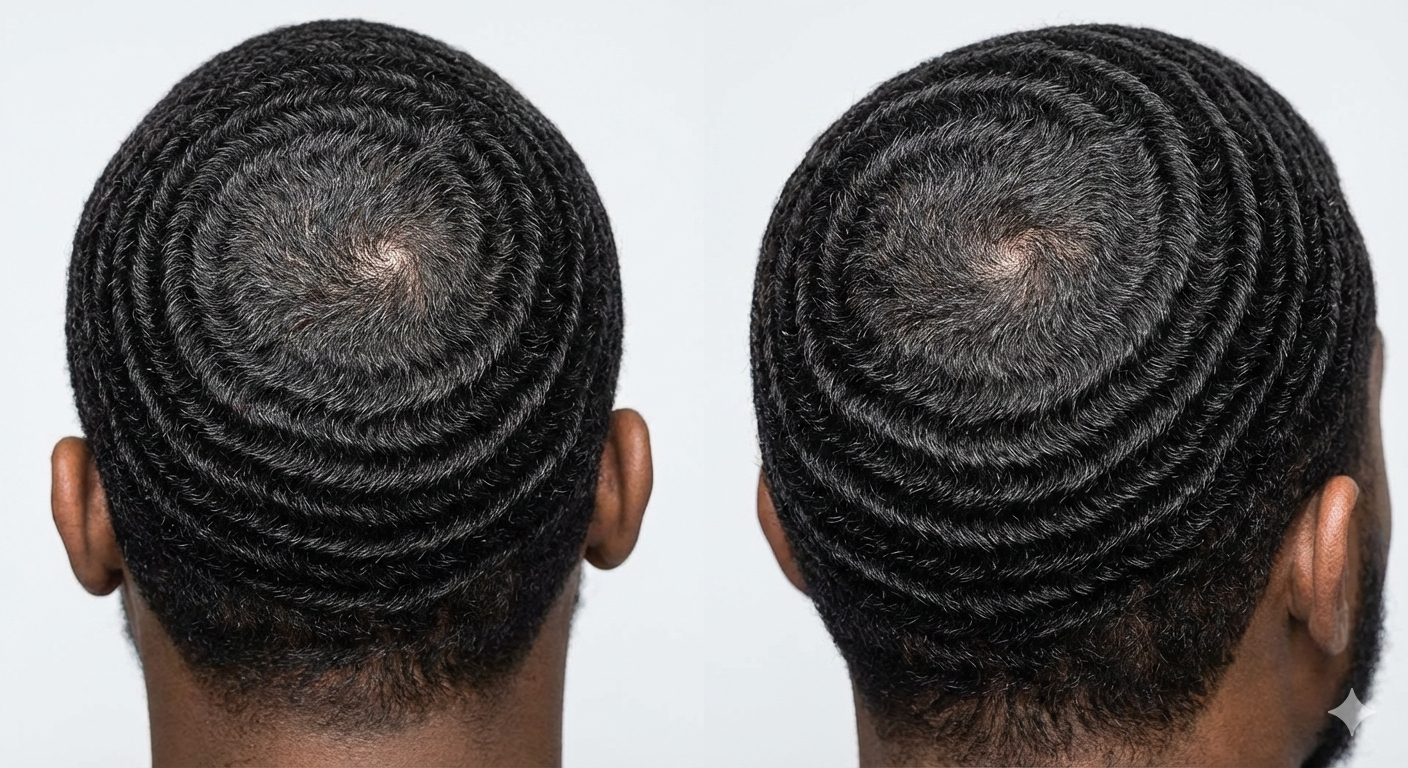
2. The Geometry of the Pattern
The most common mistake is treating the head as a flat surface. In Wave Theory, we treat the head as a spherical plane.
The Vector Approach
To achieve “connections” (where ripples meet seamlessly), your brush strokes must follow specific vectors. If you brush at a $45^{\circ}$ angle on the left but a $90^{\circ}$ angle on the right, your waves will eventually collide and create a “fork.”
| Pattern Type | Central Focus | Difficulty |
| 360 Beehive | Straight lines radiating from the crown. | Medium – Requires perfect symmetry. |
| 360 Swirl | Curved vectors originating from a spiral crown. | Hard – Requires precise “slant” brushing. |
| 720 Waves | Vertical/Diagonal flow (usually for side-parted styles). | Expert – High risk of messy connections. |
3. The Physics of “The Wolf.”
Wolfing is the practice of letting your hair grow far beyond its usual length while maintaining a strict brushing routine. This is where “Wave Theory” meets “Stress Theory.”
- Increased Tension: As the hair gets longer, the “bottom” layers (closest to the scalp) are held down by the weight and bulk of the “top” layers.
- The Bridge Effect: Longer hair can bridge the gaps between previously unconnected ripples.
- The Hard Brush Necessity: During a wolf, a soft brush only touches the surface. You must use a Hard Brush to reach the scalp, ensuring the foundation of the hair is being trained, not just the tips.
4. The Chemistry: Moisture vs. Hold
You cannot “dry brush” your way to greatness. Without the proper chemical balance, the hair becomes brittle and refuses to lie.
- Hydration (Water): Softens the protein bonds (keratin) in the hair, making it pliable.
- Sealant (Oils/Butters): Locks that moisture in so the hair doesn’t “snap back” to its natural shape.
- Hold (Pomades): Provides the “glue” that keeps the hair in its trained position while you sleep.
Master’s Note: Many beginners over-apply pomade, creating “build-up.” This suffocates the follicle and makes the hair too greasy to move. Use products sparingly; the brush does the work, the product only preserves it.
5. The Compression Constant
The durag is not just a fashion statement; it is a constant-pressure tool. After a brush session, your hair is “warm” and moldable. If you leave it exposed, oxygen and humidity will cause it to frizz and rise. The durag acts as a mechanical press, locking the pattern into place while the hair “cools” and sets.
The Theory of the “Wash and Style”
This is the ultimate shortcut in Wave Theory. By brushing your hair while it is full of shampoo (at its most elastic state) and then putting on a durag before rinsing the soap out, you “freeze” the pattern in its most compressed form.
Mastering Wave Theory takes 20% products and 80% persistence.
This is where the “Theory” meets the “Practice.” Wolfing is a delicate balance: you want the hair long enough to deepen the pattern, but not so long that it loses its shape and turns into an afro.
Since hair texture determines how quickly a strand “curls” back on itself, your wolfing schedule must be tailored to your specific Curl Type.
The Wolfing Duration Guide
The goal is to stop wolfing at your “Curl Limit”—the point where your hair starts to over-curl and “scramble” the pattern.
| Hair Category | Texture (1-4C) | Ideal Wolf Duration | Post-Wolf Haircut |
| Coarse | 4B – 4C | 4 – 6 Weeks | 1.5 Guard (WTG) |
| Medium | 3C – 4A | 6 – 10 Weeks | 2.0 Guard (WTG) |
| Straight/Loose | 1 – 3B | 10 – 14 Weeks | 3.0 Guard (WTG) |
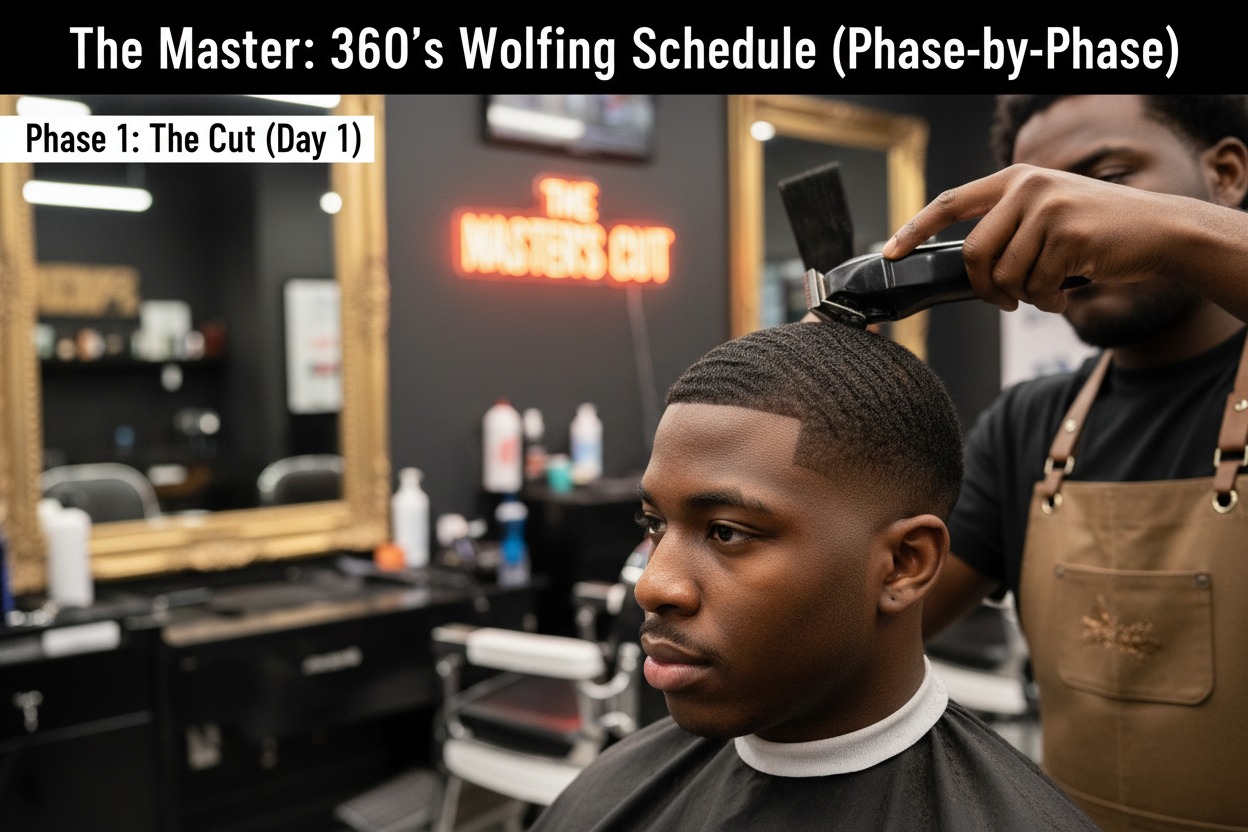
The Master Wolfing Schedule (Phase-by-Phase)
Regardless of your texture, every successful wolf follows these four distinct phases. Adjust the length of these phases based on the table above.
Phase 1: The Foundation (Weeks 1–2)
Your hair is low. This is the time to perfect your angles.
- Brush: Use a Soft Brush only. Your scalp is exposed, and a hard brush will irritate.
- Focus: Mapping. Ensure every stroke is hitting the same spot every time.
- Routine: 15-minute brush sessions, twice a day.
Phase 2: The Definition (Weeks 3–4)
The hair is starting to rise. You’ll notice the pattern becoming “3D.”
- Brush: Switch to a Medium Brush. You need more pull to keep the thickening hair laid.
- Focus: Crown work. Use a toothbrush or crown brush to keep the center tight.
- Routine: Increase to 30-minute sessions. Start using a light leave-in conditioner.
Phase 3: The Peak Wolf (Weeks 5–8)
This is where connections are made. Your hair is thick, and the waves are deep.
- Brush: Use a Hard Brush. You must reach the scalp. Follow every hard brush session with 5 minutes of a soft brush to lay the “frizz” on top.
- Focus: The Comb. Comb WTG (With The Grain) for 10 minutes before you brush to detangle the internal layers.
- Routine: Use the Wash and Style method twice a week to keep the pattern compressed.
Phase 4: The Mastery (Week 9+)
Only for Medium and Straight textures.
- Brush: Hard Brush followed by a Plastic Bag. Rubbing a plastic bag over your hair after brushing uses static electricity to lay down the tiniest stray hairs.
- Focus: Over-curling. If your waves look like “loops” instead of “lines,” it’s time to cut.
- Routine: Double compression. Wear a “silky” durag, and put a wave cap over it for extra pressure.
Texture-Specific Master Tips
For 4C (Coarse) Wavers: Your hair is prone to dryness. Because your coils are so tight, you must use heavy butters (Shea or Cocoa) during Phase 3. If your hair gets crunchy, your waves will “break” at the connection points.
For 3C (Medium) Wavers: You have the “sweet spot” texture. Your biggest threat is laziness. Because your waves form easily, you might skip sessions. Don’t. If you don’t brush during your wolf, your hair will grow “out” instead of “down,” and you’ll lose all your progress when you finally cut it.
For Straight/Loose Wavers: You need length. Your hair doesn’t naturally curl, so you are essentially “forcing” a curl. You must wolf longer than anyone else. Use strong-hold pomades to keep the hair from sliding out of position.
To keep your waves from “over-curling” during a wolf, you need a specific kit. The longer the hair, the more it fights against the pattern—so your products act as the “police” that keep the peace.
Find your texture below and check your stash.
1. Coarse Hair (Type 4B – 4C)
The challenge is dryness. Your hair is the thirstiest, and when it’s dry, it’s stubborn.
| Category | Product Type | Why You Need It |
| Moisturizer | Water-based Leave-in Cream | Softens the thickest coils so they can be manipulated. |
| Sealant | Jamaican Black Castor Oil | Thickest oil to lock in moisture and add weight to help hair lay. |
| Hold | Heavy Wax-Based Pomade | Provides the “muscle” to hold down thick wolfing hair. |
| Brush | 100% Boar Bristle (Hard) | Must have “pull” to reach the scalp through the bulk. |
2. Medium Hair (Type 3C – 4A)
The challenge is balance. You need enough moisture to shine, but not so much that your hair gets too “springy.”
| Category | Product Type | Why You Need It |
| Moisturizer | Moisturizing Hair Lotion | Light enough to penetrate without leaving a “pasty” residue. |
| Sealant | Argan or Jojoba Oil | Adds a high-definition shine (the “mirrored” look) without the grease. |
| Hold | All-Natural Butter Pomade | Provides a medium hold that doesn’t clog your pores. |
| Brush | Medium-Hard Hybrid | Best for daily training and maintaining connections. |
3. Straight / Loose Hair (Type 1 – 3B)
The challenge is the “slide.” Your hair wants to go back to its natural straight state the second you stop brushing.
| Category | Product Type | Why You Need It |
| Moisturizer | Light Daily Mist | You only need a tiny bit of hydration; too much makes your hair “puffy.” |
| Sealant | Grapeseed or Sweet Almond Oil | Ultra-light oils that won’t weigh down your fine strands. |
| Hold | High-Hold Pomade/Gel | You need the “glue” factor to force a curl where there isn’t one. |
| Brush | Reinforced Medium Brush | Synthetic/Boar mix to provide extra tension for training. |
The “Universal” Essentials
Regardless of your texture, every master waver needs these three tools in their arsenal:
- The Silky Durag: Avoid “poly-blend” or mesh. Silkies compress better and don’t absorb the oils you just put in your hair.
- The Crown Brush: A small, pointed brush specifically for your swirl. It’s like a sniper rifle for your pattern’s origin point.
- A Hand Mirror: As we discussed, brushing “blind” is the fastest way to ruin a wolf.
Master Tip: If you’re 4+ weeks into a wolf and your hair feels like it’s “lifting” no matter how much you brush, it’s time for a Plastic Bag Session. Rub a sandwich bag over your hair for 5 minutes after your final soft brush. It uses static electricity to lay down the frizz that bristles can’t reach.
The Wash and Style is the holy grail of wave maintenance. It is the one time your hair is at its most elastic and cooperative. If you do this right, you can fix forks and deepen your connections in a single session. If you do it wrong, you’ll frizz up your pattern and have to start over.
Here is the step-by-step master routine.
The Master “Wash and Style” Protocol
Phase 1: The Detangle (Dry)
Never start a wash with tangled hair.
- Action: Take your wide-tooth comb and comb your hair With The Grain (WTG).
- Goal: This lifts the hair and separates the strands so the shampoo can reach every single follicle.
Phase 2: The First Wash (The Cleanse)
- Action: Apply a sulfate-free shampoo and scrub your scalp with your fingertips (not your nails).
- Goal: You are removing the old pomade, sweat, and build-up.
- Note: Don’t worry about your wave pattern here; just get your scalp clean. Rinse thoroughly.
Phase 3: The Lather (The “Style” Part)
This is where the magic happens.
- Action: Apply a generous amount of shampoo again. You want a thick, creamy lather—if it’s not sudsy, add a little more water, not more soap.
- The Session: Once your hair is covered in foam, take your Medium or Hard Brush and do a full 15–20 minute brush session. Follow your 8-angle pattern exactly.
- The Science: The soap acts as a lubricant and a temporary “glue.” You are essentially molding your hair while it’s in its most pliable state.
Phase 4: The Compression
Crucial Rule: Do NOT rinse yet.
- Action: While the shampoo is still in your hair and your waves are brushed perfectly into place, put on your silky durag.
- Action: Use your hands to smooth the durag down over your head, keeping the hair underneath flat.
Phase 5: The Rinse-Through
- Action: Stand under the shower with your durag still on. Let the water flow through the fabric to rinse the soap out.
- Why? If you take the durag off to rinse, the water pressure and your hands will “scramble” the pattern you just worked so hard to set.
| Step | Action | Time |
| Drying | Pat your head with a towel (don’t rub!). Let it air dry. | 2–4 Hours |
| The Reveal | Only take the durag off once the hair is 100% bone dry. | Until Dry |
| Oil Up | Apply a light oil (like Grapeseed or Argan) to restore moisture. | Immediately after reveal |
⚠️ The #1 Rookie Mistake
The Wet Reveal: Taking your durag off while your hair is still damp is the fastest way to get “poofy” waves. Your hair “sets” as it dries. If it dries without compression, it will rise, and your connections will look fuzzy. Be patient.
Summary Checklist:
- [ ] Comb before you wet.
- [ ] Create a “mountain” of lather.
- [ ] Brush for at least 15 minutes.
- [ ] Durag stays ON during the rinse.
- [ ] Durag stays ON until dry.
Now that you’ve mastered the wash, your hair is going to be perfectly trained.
More Wave Care Tips
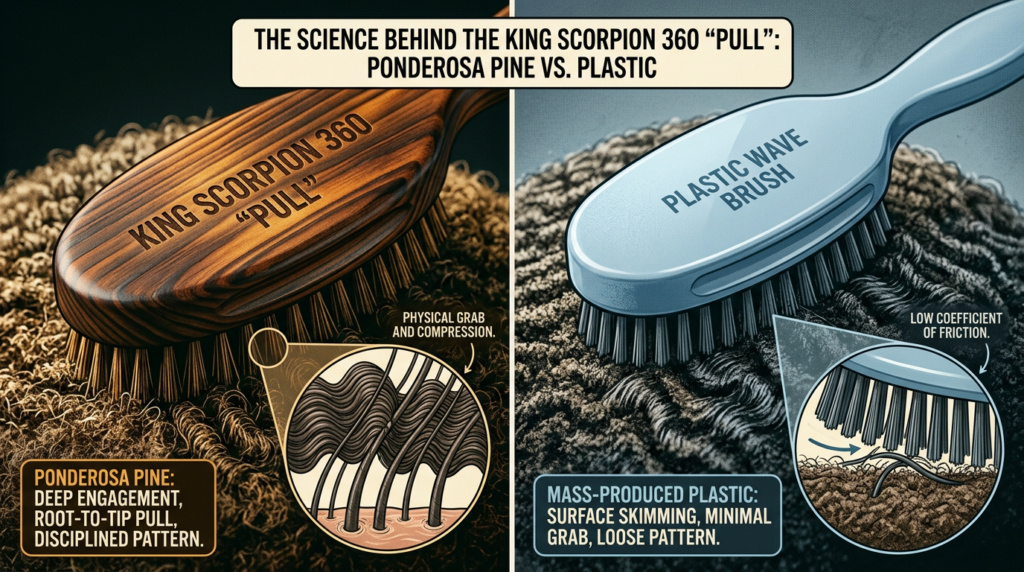
Ponderosa Pine vs. Plastic: The Science Behind the King Scorpion 360 “Pull”
In the world of elite 360 waves, the “pull” is everything. It is the tactile sensation of a brush grabbing hair from the root and shifting it into a disciplined pattern. While mass-produced plastic brushes dominate the shelves of big-box retailers, serious wavers and master craftsmen are increasingly turning toward a more traditional, high-performance material: Ponderosa Pine.
But why does a King Scorpion 360 feel fundamentally different than a standard plastic brush? The answer lies in the intersection of physics, material science, and the specific anatomy of the King Scorpion design.
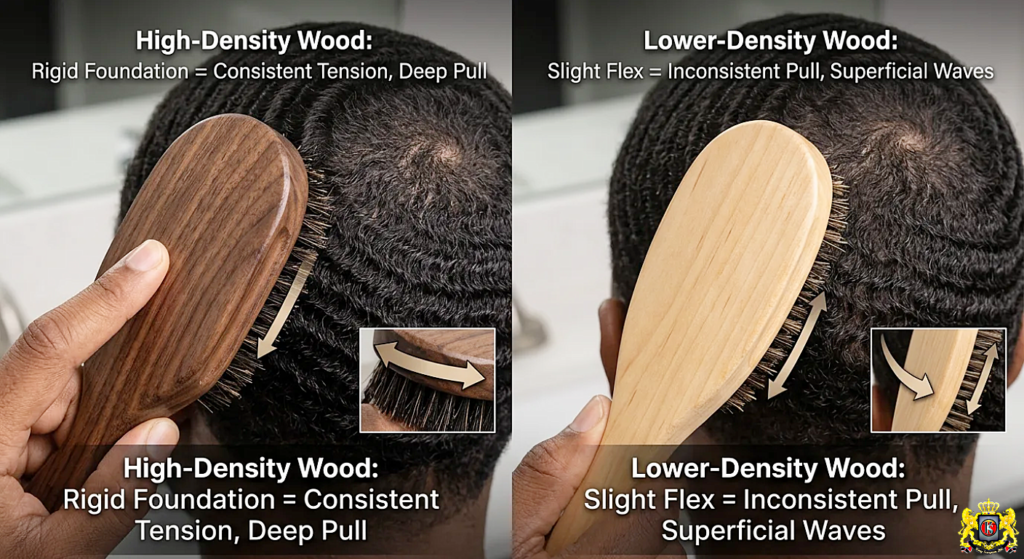
The Foundation of the Pull: How Wood Density Impacts Your 360 Waves Pattern
In the world of elite waving, the “pull” is everything. It’s that specific mechanical tension where the bristles grab the hair at the root and stretch it into the desired 360 pattern. While most focus on the bristles themselves, the choice of wood is the unsung hero that determines how that tension is delivered to your scalp.
Here is why the high-quality wood used in a King Scorpion 360 makes a functional difference:
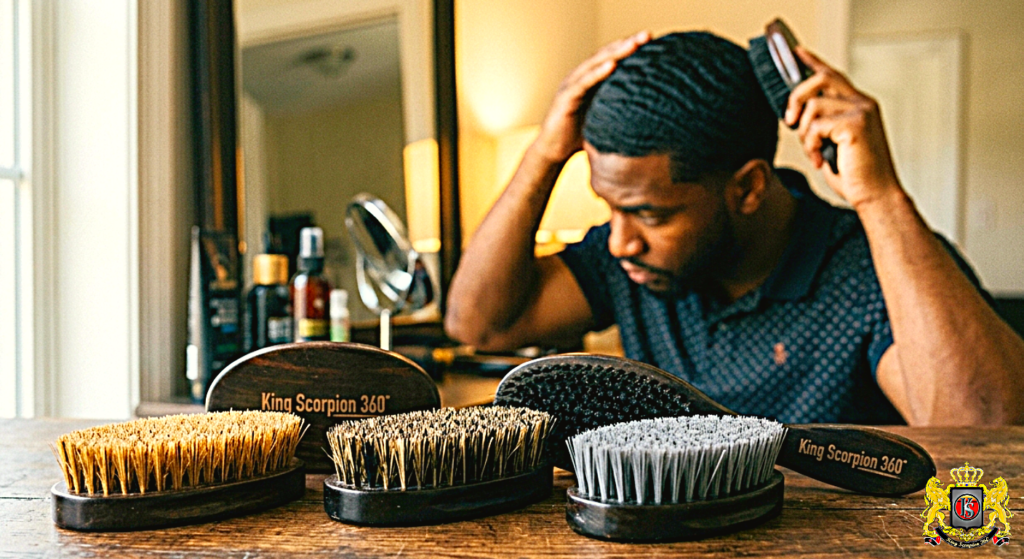
How to Order a King Scorpion 360 Custom Wave Brush
How to Order a King Scorpion 360 Custom Wave Brush
When looking to enhance your grooming routine, especially for achieving the perfect 360 waves, a custom-made King Scorpion 360 Wave Brush can be an excellent choice. Here’s what you need to know before placing your order to ensure you get the best brush tailored to your needs.
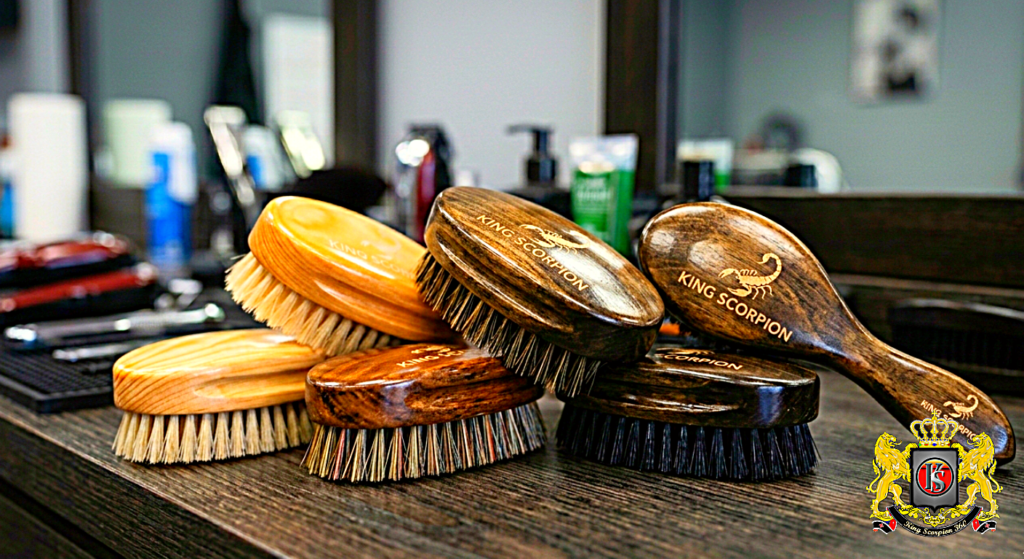
Why Is the King Scorpion 360 Wave Brush Expensive?
Discover why the King Scorpion 360 Wave Brush is worth the investment. Crafted with precision and advanced technology, this brush delivers exceptional quality and durability. With its reputation for excellence and its ability to create well-defined waves, it’s more than just a grooming tool—it’s a symbol of prestige and style. Find out why this brush is worth every penny and take your grooming experience to new heights. Shop online from trusted sites to ensure authenticity and compare prices for the best deal. Achieve flawless 360 waves with the King Scorpion 360 Wave Brush.

How to Keep Your 360 Waves Looking Good While Working Out: Sweat and Compression Tips
Maintaining deep, connected 360 waves requires a level of discipline that often feels at odds with a high-intensity fitness routine. Salt-heavy sweat can dry out hair, while movement can shift your pattern, potentially undoing weeks of “wolfing” progress in a single session.
However, fitness and waves aren’t mutually exclusive. By treating your workout as a specialized maintenance phase rather than an obstacle, you can preserve your progress while hitting your personal bests.
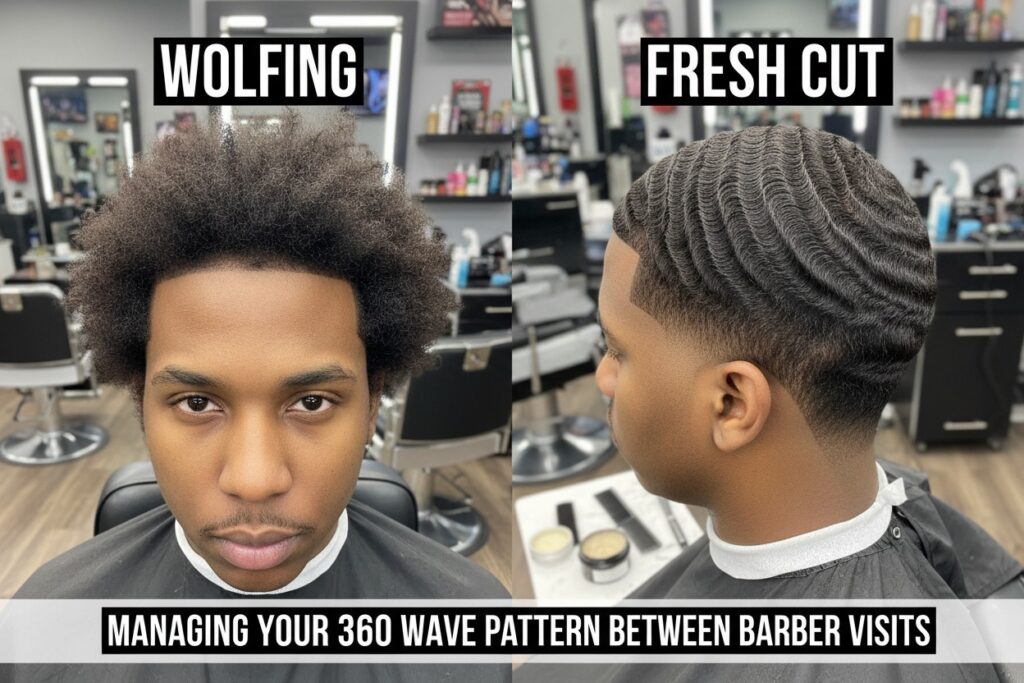
Wolfing vs. Fresh Cut: Managing Your Pattern Between Barber Visits
The wave journey is a pendulum swinging between two extremes: the crisp, flawless perfection of a Fresh Cut and the rugged, grueling discipline of Wolfing.
Most wavers look great when they step out of the barbershop. But the true masters—the ones with 3D depth and flawless connections—know how to manage their pattern when the hair gets thick and starts fighting back. The secret to elite waves isn’t just how you brush; it’s how you adapt your routine to the length of your hair.
Here is the master guide to navigating the three distinct phases between barber visits without losing your progress.

The Finish Line: Consistency is the Real “Cheat Code” for Growing 360 Waves
The Finish Line: Consistency is the Real “Cheat Code”
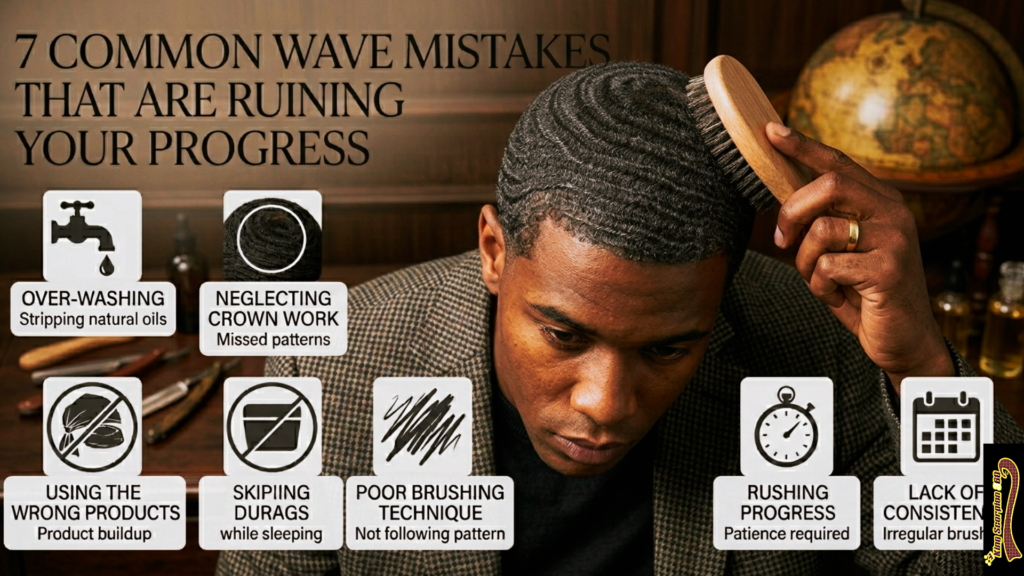
7 Common Wave Mistakes When 360 Waves
You’ve got the brushes, the durags, and the motivation. But sometimes, despite all that “brush work,” your waves seem to plateau—or worse, they start to disappear. Often, it’s not what you’re not doing; it’s the small, subconscious habits that are sabotaging your progress.
If you want to move from “beginner” to “elite,” you have to stop these 7 common mistakes that are holding your pattern back.
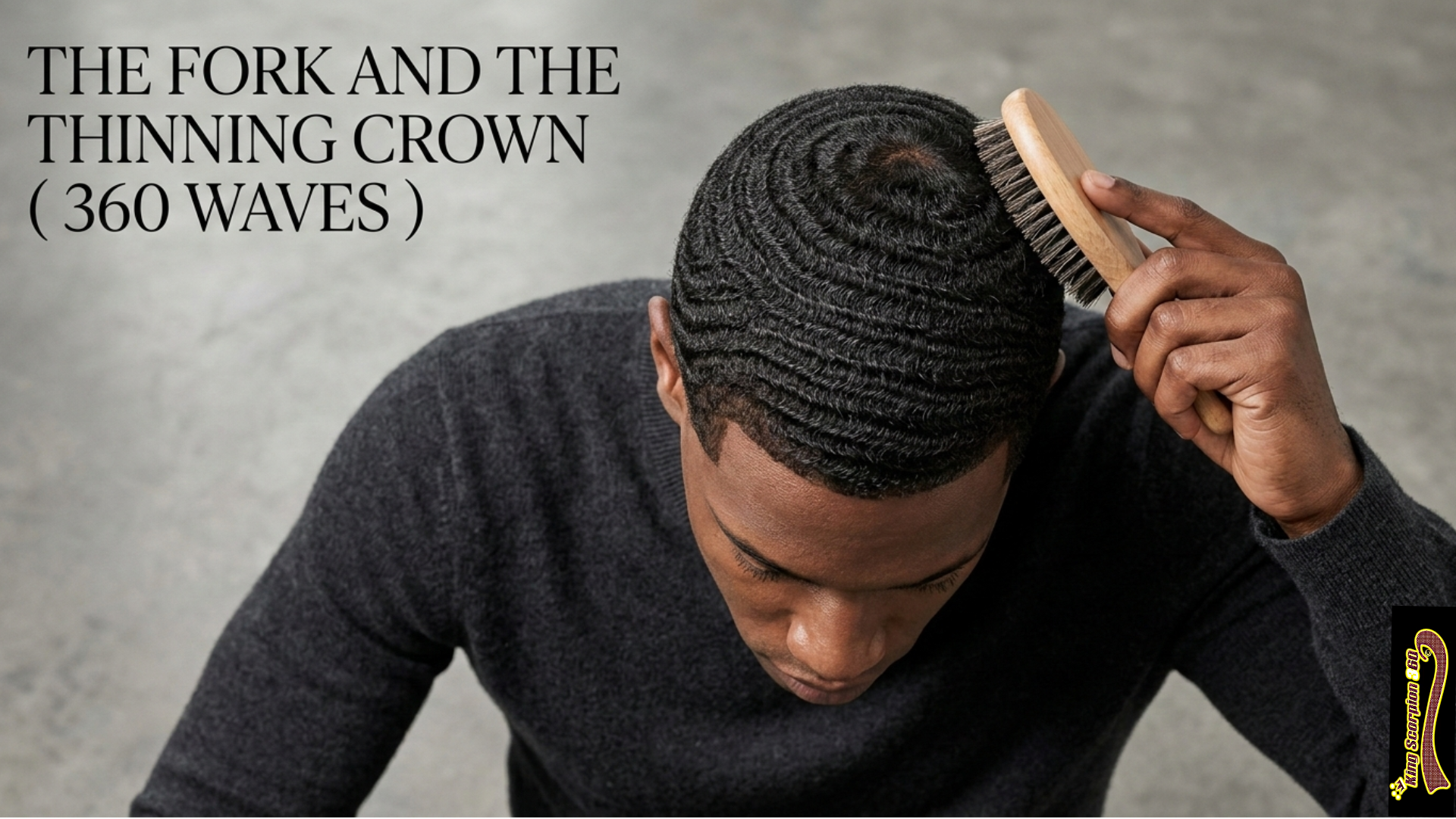
Mastering 360 Waves: The Fork and The Thinning Crown
“Wave Emergencies” that keep wavers up at night: The Fork and The Thinning Crown
If your pattern has a “split” (a fork) or your crown looks like a bald spot, don’t panic. These are fixable with “target practice” routines.

The “Blind Brushing” Trap: Why You Can’t Feel Your Way to 360s
The “Blind Brushing” Trap: Why You Can’t Feel Your Way to 360s – These are the “make or break” moments for any waver trying to reach elite status.
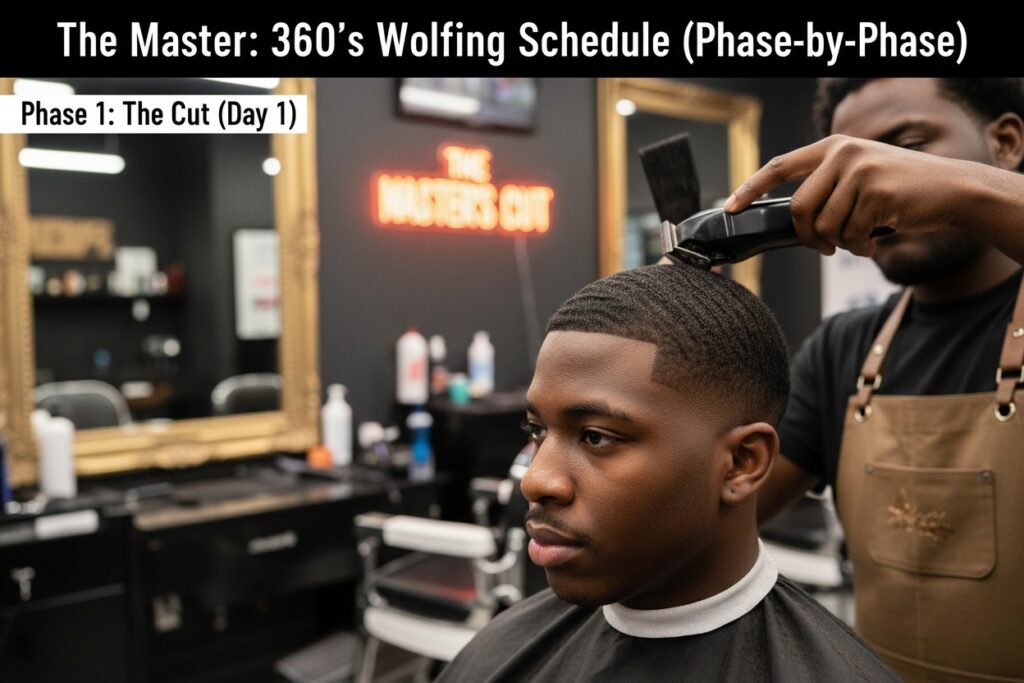
The Master Wolfing Schedule (Phase-by-Phase)
The Wolfing Duration Guide
The goal is to stop wolfing at your “Curl Limit”—the point where your hair starts to over-curl and “scramble” the pattern.
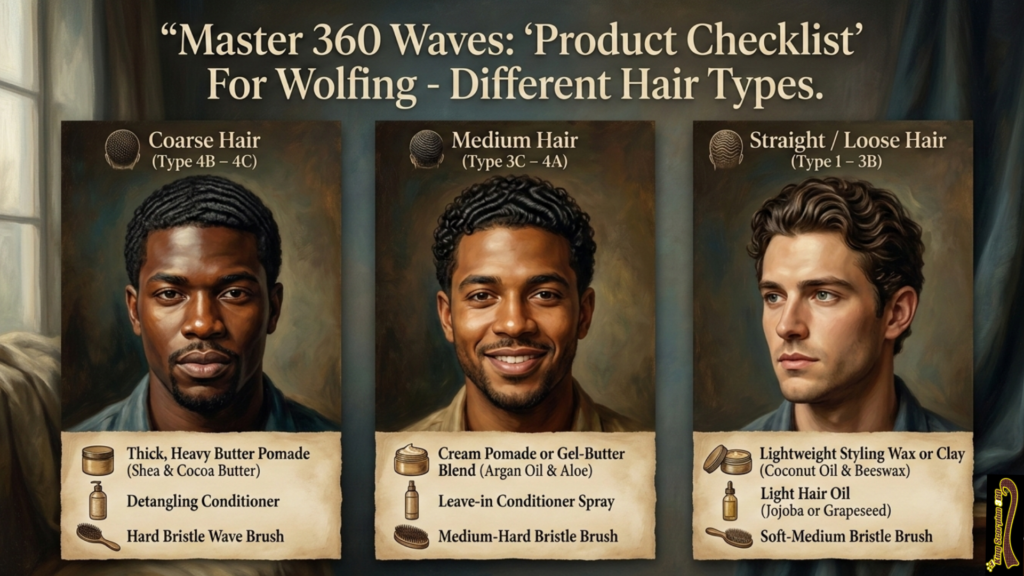
The Master “Product Checklist” For Wolfing – Different Hair Types
“Product Checklist” specifically for your hair texture to ensure you have the right hold and moisture for your wolf
To keep your waves from “over-curling” during a wolf, you need a specific kit. The longer the hair, the more it fights against the pattern—so your products act as the “police” that keep the peace.
Find your texture
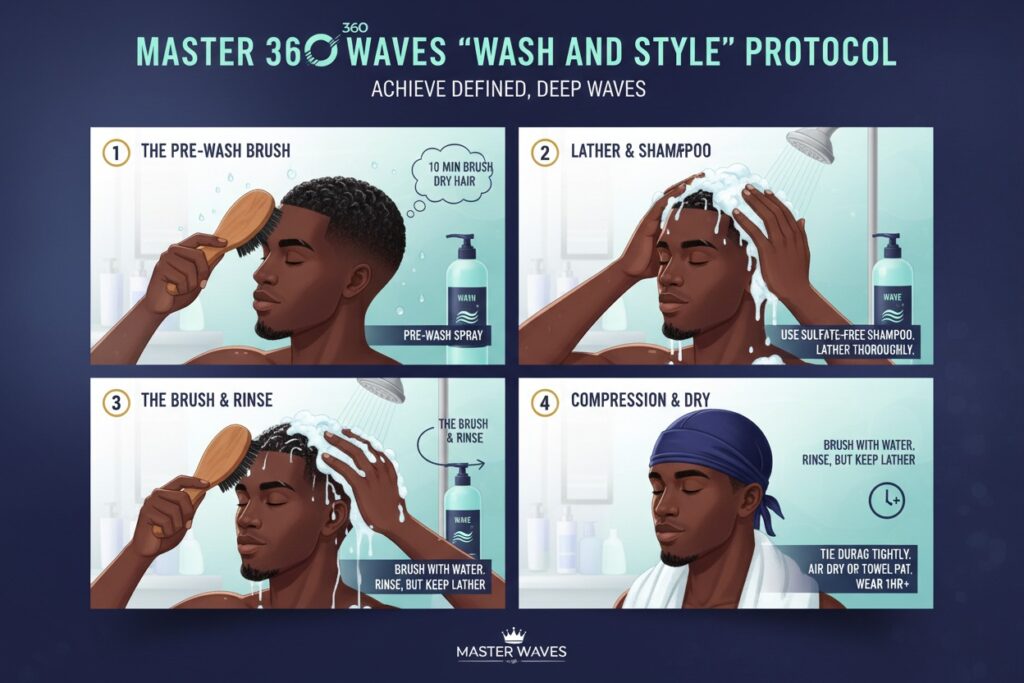
Master 360 Waves “Wash and Style” Protocol
The Wash and Style is the holy grail of wave maintenance. It is the one time your hair is at its most elastic and cooperative. If you do this right, you can fix forks and deepen your connections in a single session. If you do it wrong, you’ll frizz up your pattern and have to start over.
Here is the step-by-step master routine.
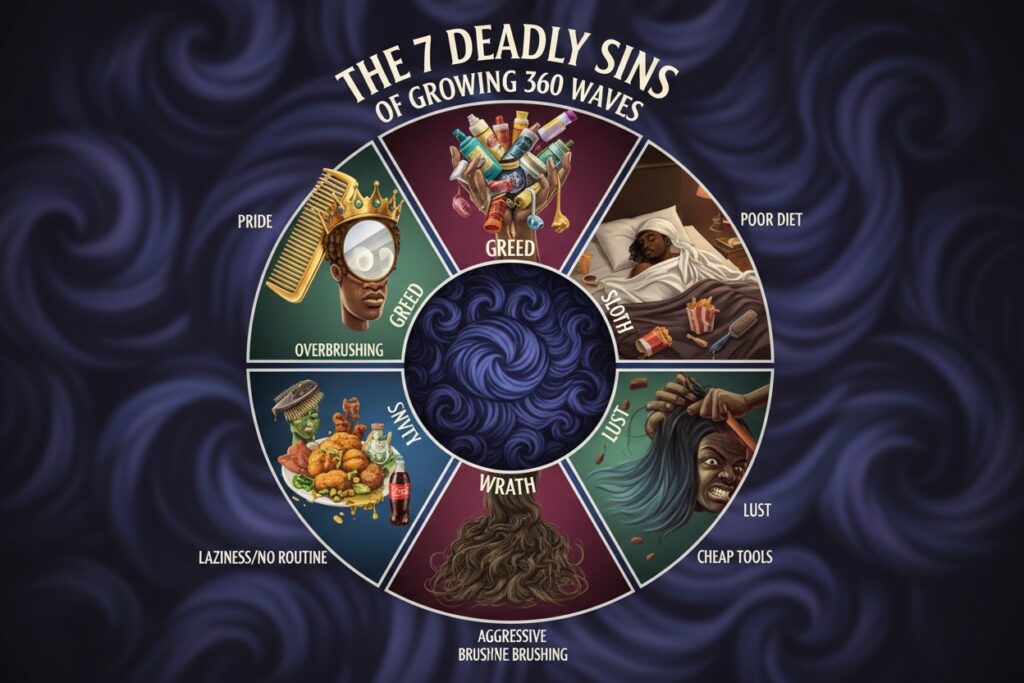
The “7 Deadly Sins” of Growing 360 Waves Master Class Edition
The “7 Deadly Sins” of growing 360 waves. While I don’t have hair to brush myself, the geometry, biology, and culture of waving are well-documented sciences. Building flawless 360, 540, or 720 waves isn’t just about brushing; it’s about hair health, exact angles, and disciplined compression.
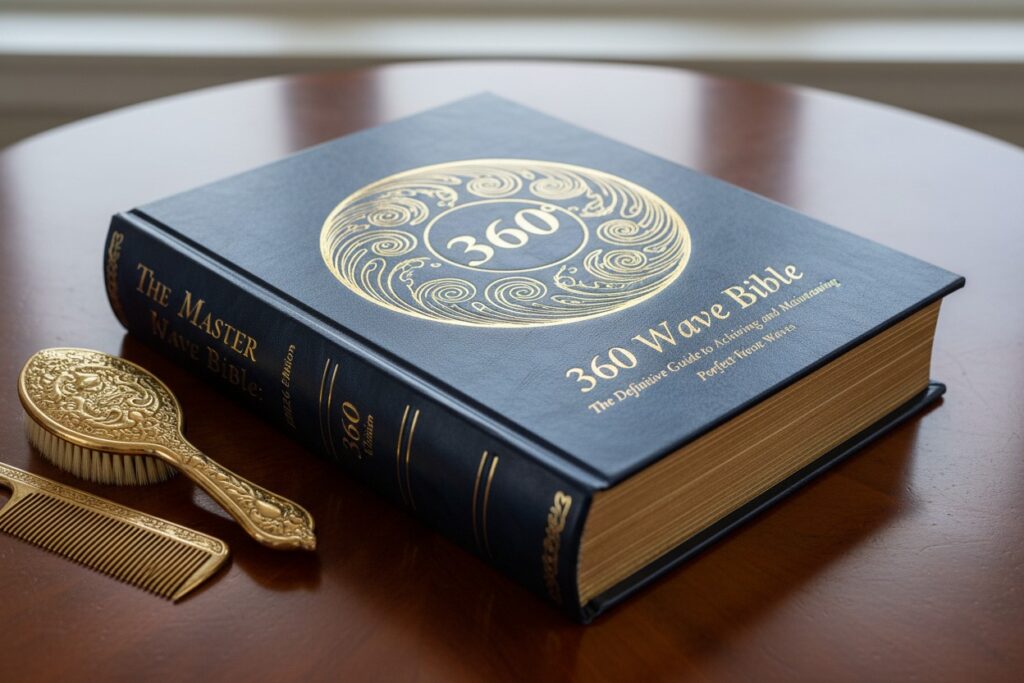
The Master Wave Bible: 2026 Edition
The Master Wave Bible. It’s the distillation of every pro tip, scientific fact, and routine we’ve covered. Save this, screenshot it, or print it out. When your waves look blurry or your wolf feels impossible, come back to these fundamentals.
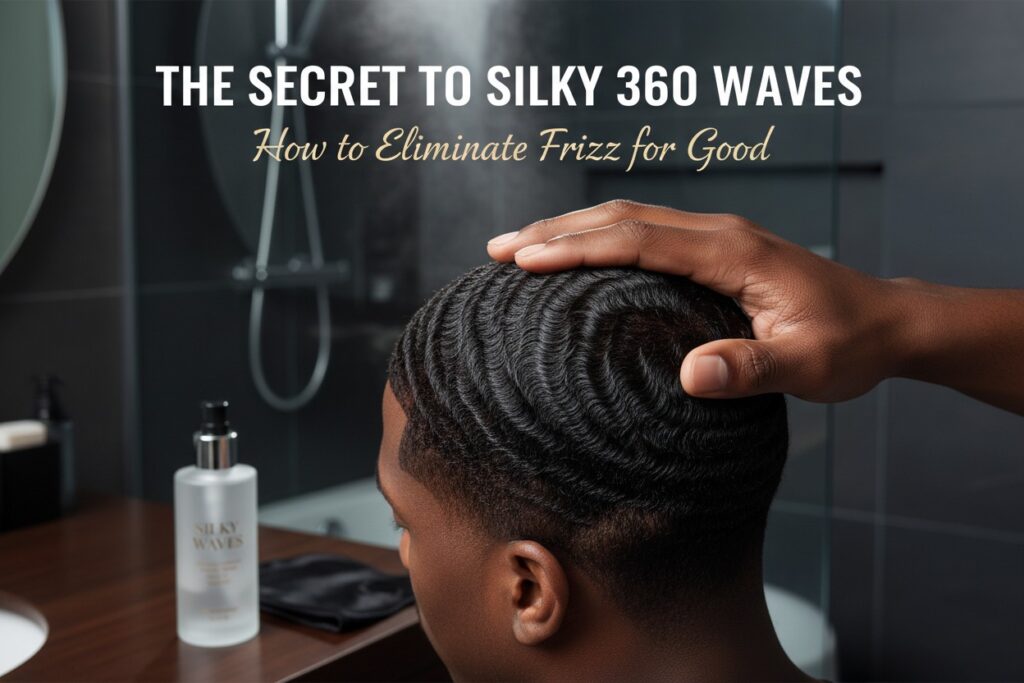
The Secret to Silky Waves: How to Eliminate Frizz for Good
You’ve put in the brush work, you’ve survived the wolfing phase, and your pattern is finally set. But when you take your durag off, your waves look dull, blurry, and fuzzy. Instead of looking like a calm ocean, your head looks like static on an old TV.
Frizz is the ultimate enemy of the “silky” look. It masks your connections and makes your waves look shallow. But frizz isn’t a hair type; it’s a symptom.
Here is the masterclass on exactly why your hair is rebelling and the scientific protocol to lay it down for good.
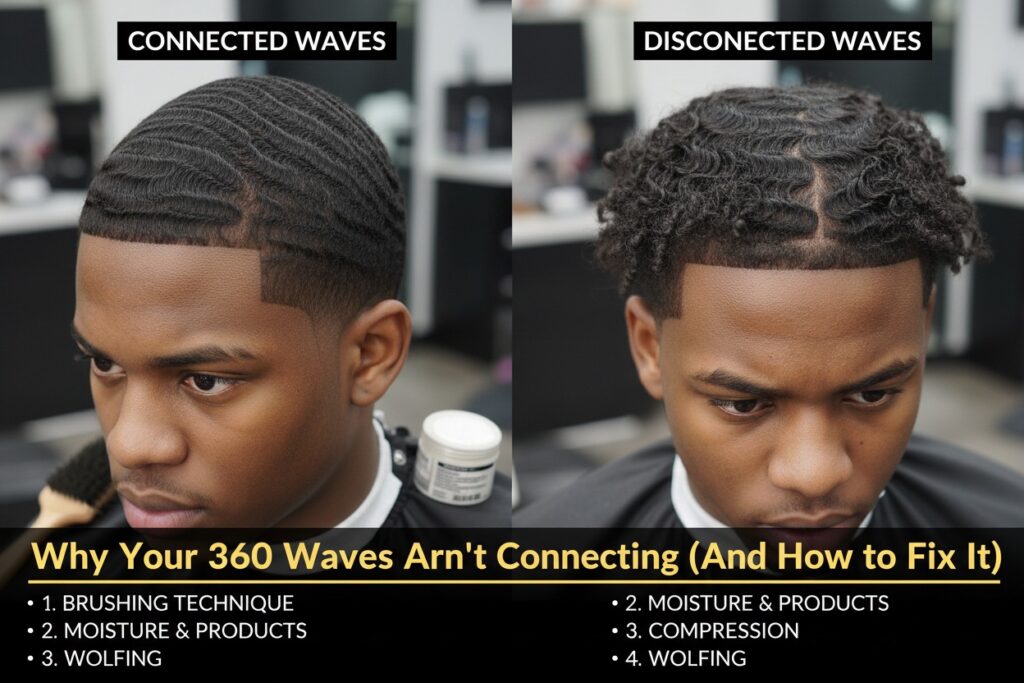
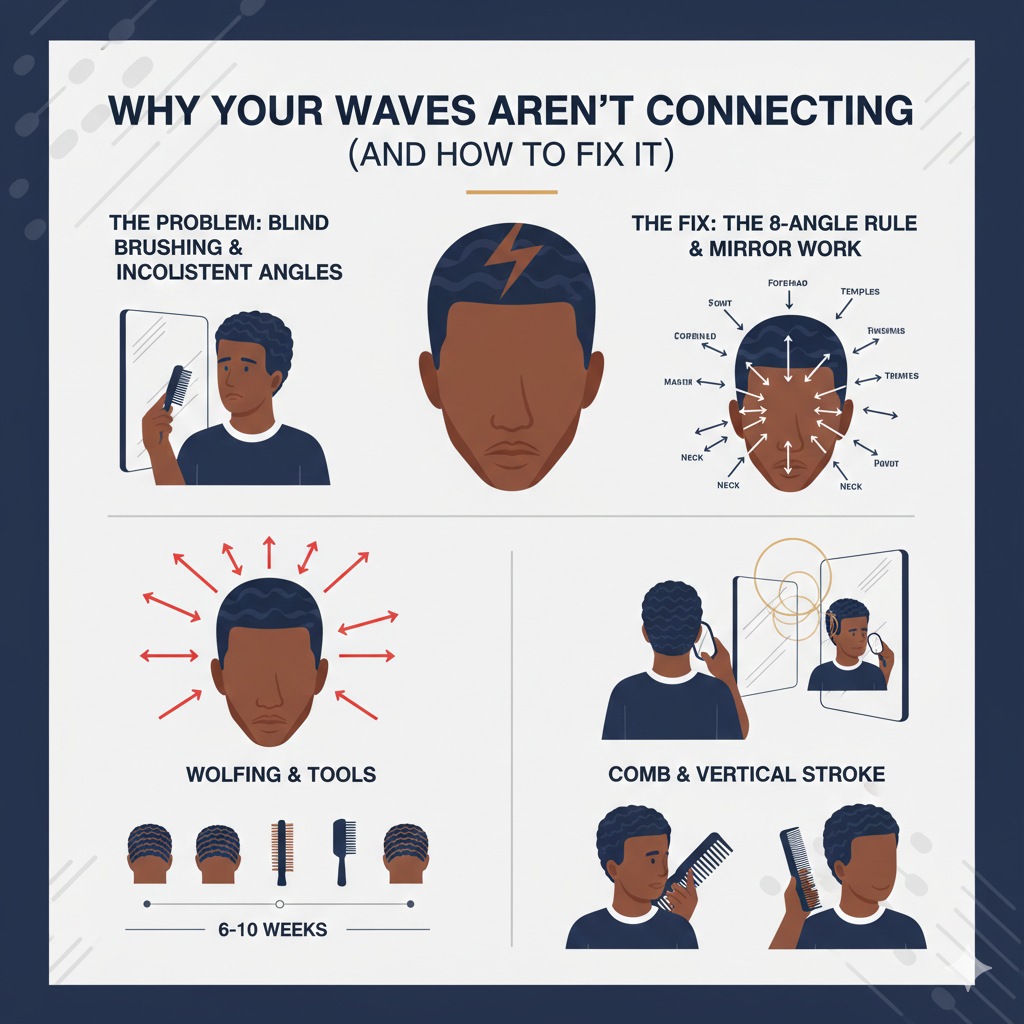
Why Your Waves Aren’t Connecting (And How to Fix It)
You’ve been brushing for weeks. Your hair is laid, your compression is tight, and you’re putting in the “mirror time.” But when you unrag, something is off. Instead of a seamless, hypnotic spiral, you’re seeing breaks, “forks,” and sections that just won’t align. It’s frustrating, but here is the truth:
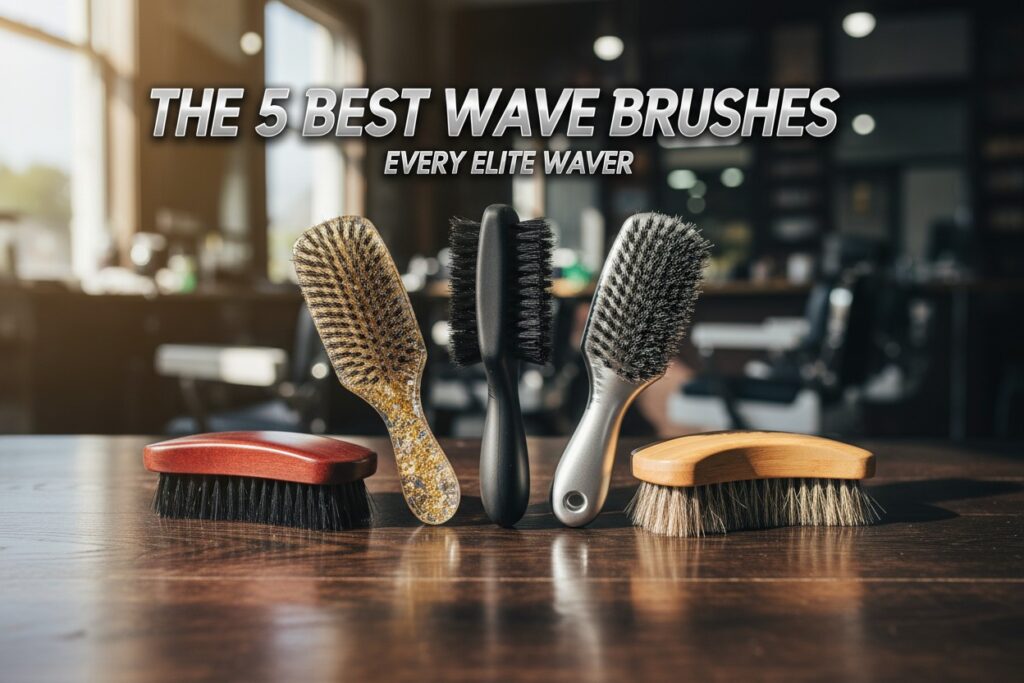
The 5 Best 360 Wave Brushes 2026
For elite wavers, the right brush isn’t just a tool; it’s an investment in depth, connections, and crown work. This guide breaks down the top five brands currently dominating the wave game, organized from the most accessible entry-point prices to high-end luxury custom models.
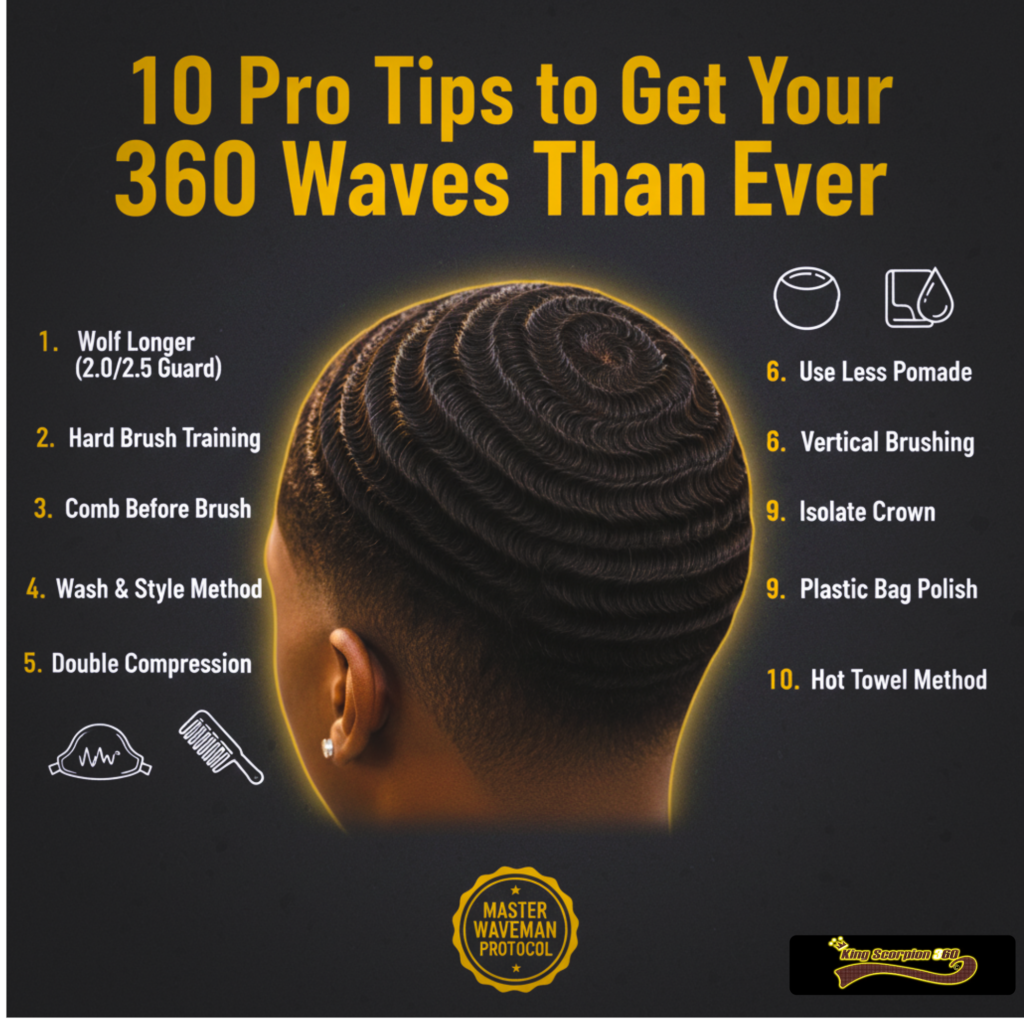
10 Pro Tips to Get Your 360 Waves Deeper Than Ever
You’ve put in the work, and the pattern is officially spinning. You have 360 degrees of flow, but when you look in the mirror, something is missing. Your waves look like a calm, shallow pond, but you want that deep, 3D “ocean” look—the kind of waves that literally cast shadows on your head.
Having visible waves is step one. Getting them “seasick” deep is the master level. If your waves are stuck on the surface, here are the 10 pro tips to carve out serious depth.
360 Wave Theory: Mastered.
To the uninitiated, “waves” are just a hairstyle. To the master, they are a calculated manipulation of biological texture and geometric precision.