How Old Are 360 Waves? Exploring the History and Evolution of This Classic Hairstyle
360 waves, often known simply as waves, are a distinctive hairstyle featuring a smooth, wave-like ripple pattern that encircles the entire head. This iconic look is primarily achieved through a combination of consistent brushing techniques, specialized moisturizing products, and the use of a durag or wave cap to further set and maintain the pattern.
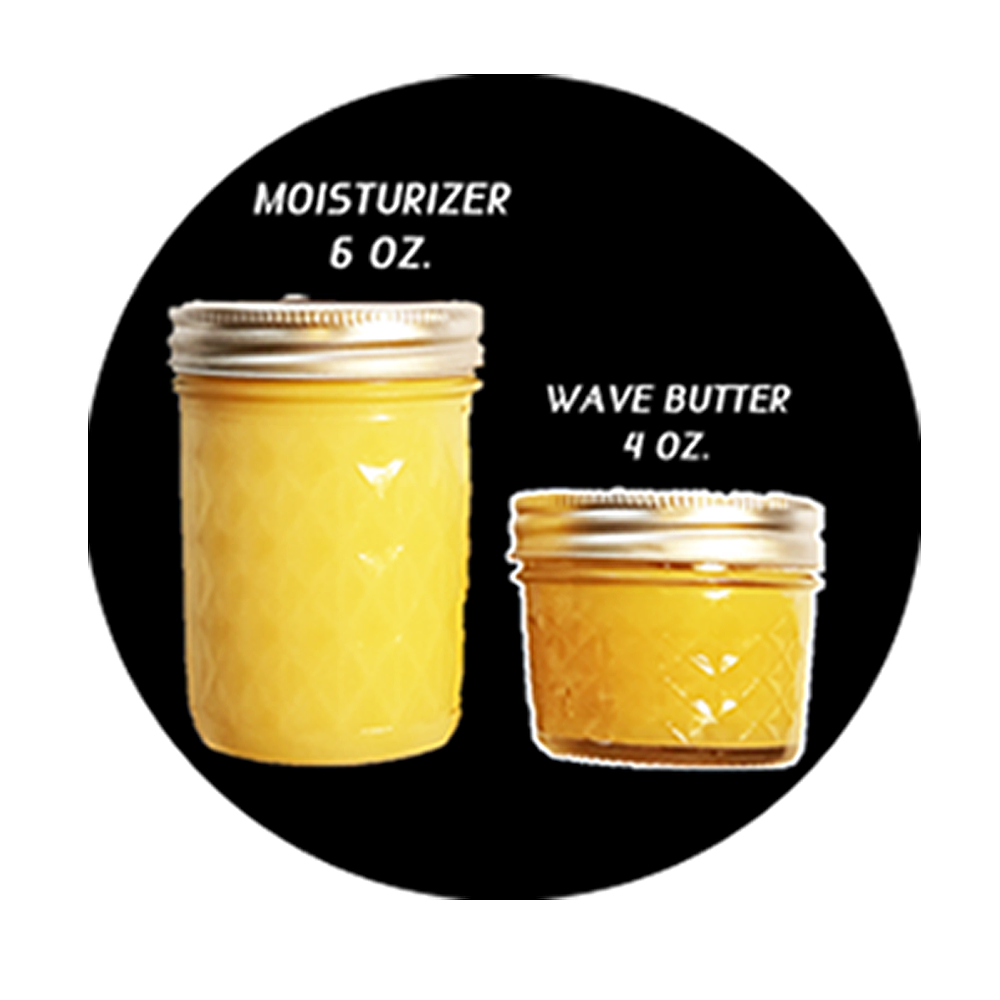
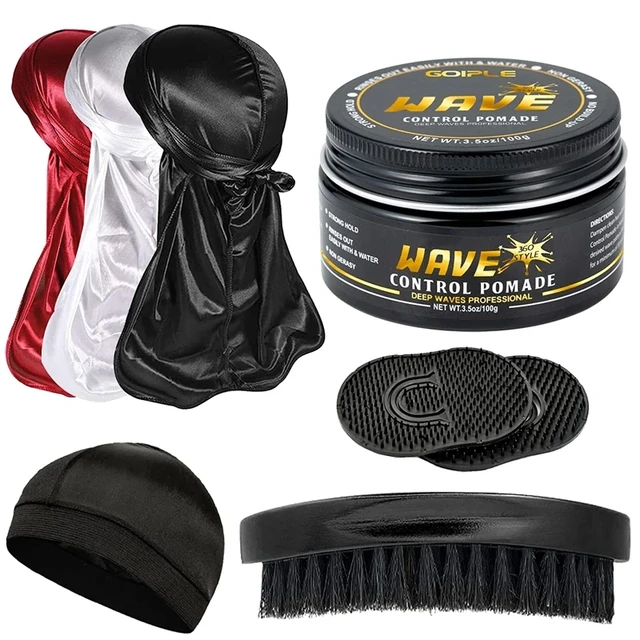
The process of creating 360 waves involves using a medium to soft bristle brush, which helps to lay down the hair in the desired direction. Moisturizing products, such as pomades, creams, or natural oils, are applied to keep the hair hydrated and enhance the wave formation. The durag or wave cap plays a crucial role in preserving the waves overnight and protecting the hairstyle from frizz and disruption.

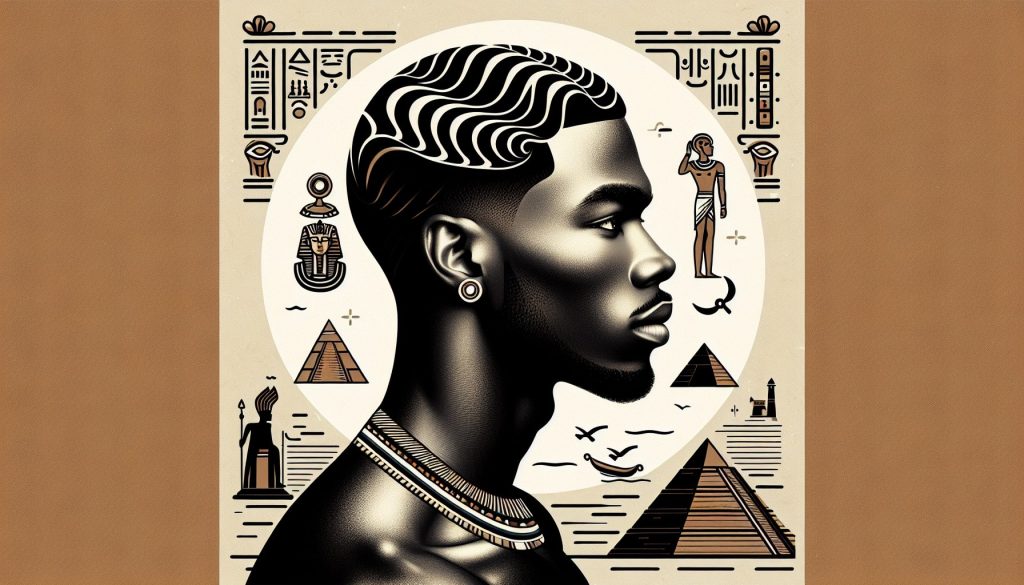
The origins of 360 waves can be traced back several decades, with roots deeply embedded in African American culture and hairstyles. Over time, this classic look has evolved, gaining popularity not only for its aesthetic appeal but also for its cultural significance within communities. In recent years, 360 waves have become a trendy style embraced by individuals of various backgrounds, symbolizing both personal expression and a connection to heritage.
As we delve deeper, let’s explore the rich history and development of 360 waves, from their inception to their modern-day revitalization.
Origins of 360 Waves
The exact origins of 360 waves are somewhat difficult to pinpoint, but the hairstyle has deep roots in African and African American culture. Waves can be traced back to the early 20th century when Black men sought ways to style their naturally textured hair in a polished and fashionable manner. The wave pattern emerged as a way to lay down curls and create a refined, yet natural appearance.
During the Harlem Renaissance of the 1920s and 1930s, Black men began experimenting more with their hairstyles as a form of self-expression and pride. This era helped popularize many grooming techniques, including the foundation of wave patterns. The process of brushing hair consistently to create waves was passed down through generations, evolving with cultural changes and personal styles.

Evolution Through the Decades
1950s-1970s: The wave hairstyle gained significant popularity as an important aspect of the broader cultural movement toward Black pride, identity, and style during this era. Throughout this period, the Afro emerged as a dominant and iconic hairstyle, symbolizing empowerment and natural beauty. Despite the widespread embrace of the Afro, waves continued to maintain a strong and dedicated following, particularly among individuals who preferred a shorter, more polished, and controlled hairstyle that reflected both personal style and cultural pride.
1980s-1990s: During the 1980s and 1990s, waves experienced a significant resurgence in popularity, closely intertwined with the rise of hip hop culture. Many artists, athletes, and influential figures proudly sported 360 waves, which helped to firmly establish this hairstyle as an enduring symbol of urban style, identity, and masculinity. Alongside this, the use of durags became increasingly prominent and widespread during this era, serving not only as a practical hair accessory to maintain and protect the wave pattern but also evolving into a powerful cultural symbol representing heritage, pride, and fashion within the community.
2000s-Present: Advances in hair care products and techniques have made it easier to create and maintain 360 waves. Social media platforms and online tutorials have also significantly educated people about the method and care involved. Today, waves are celebrated not only as a hairstyle but as an important cultural emblem within the Black community.
Why the Name “360 Waves”?
The term “360 waves” refers to a captivating hairstyle that features a unique pattern of waves gracefully encircling the entire head in a complete 360-degree circle. This intricate wave design originates at the crown, where soft, defined waves start to form, gently rippling outward in a smooth and fluid motion. As the waves radiate, they create a mesmerizing and uniform pattern that enhances the overall look.

The complexity of 360 waves lies in their meticulous definition and the skill required to achieve them. Each wave blends seamlessly into the next, resulting in a rich texture that catches the light beautifully. This all-encompassing style is distinct from other wave variations that might only focus on specific sections of the hair. Instead, 360 waves showcase a holistic approach, highlighting the beauty of the entire head while giving the hair an eye-catching, polished appearance. This hairstyle not only represents personal style but also embodies a sense of dedication and care in hair grooming, making it a favored choice among those who appreciate a well-crafted look.
Cultural Significance
Beyond their striking visual appeal, 360 waves possess profound cultural significance and meaning. They serve as a powerful symbol of connection to one’s heritage, identity, and personal self-expression. The intricate process of creating and maintaining these waves requires not only skill but also a deep commitment to the craft, embodying values such as discipline, pride, and respect for tradition.
The art of achieving 360 waves involves a meticulous grooming routine that can take weeks or even months to master. This dedication speaks to the importance of perseverance and resilience within the community that embraces this hairstyle. For countless individuals, 360 waves transcend mere aesthetics; they stand as a meaningful statement reflecting cultural resilience, creativity, and a vibrant celebration of their roots and history.

Ultimately, maintaining waves is not just about appearance; it is a ritual that fosters a sense of belonging and identity. Many people view their waves as a badge of honor, a testament to their commitment to heritage, and a way to connect with others who share similar backgrounds and experiences.
The importance of perseverance and resilience within the community that embraces this hairstyle. For countless individuals, 360 waves transcend mere aesthetics; they stand as a meaningful statement reflecting cultural resilience, creativity, and a vibrant celebration of their roots and history.
Ultimately, maintaining waves is not just about appearance; it is a ritual that fosters a sense of belonging and identity. Many people view their waves as a badge of honor, a testament to their commitment to heritage, and a way to connect with others who share similar backgrounds and experiences.
Conclusion
360 waves have a rich history that spans over a century, evolving alongside changes in culture, fashion, and self-expression. From their early roots in the African American community to their status as a contemporary style icon, waves remain a beloved and enduring hairstyle. Whether you’re new to waves or have been rocking them for years, understanding their history adds depth to this classic look.
- Ponderosa Pine vs. Plastic: The Science Behind the King Scorpion 360 “Pull”
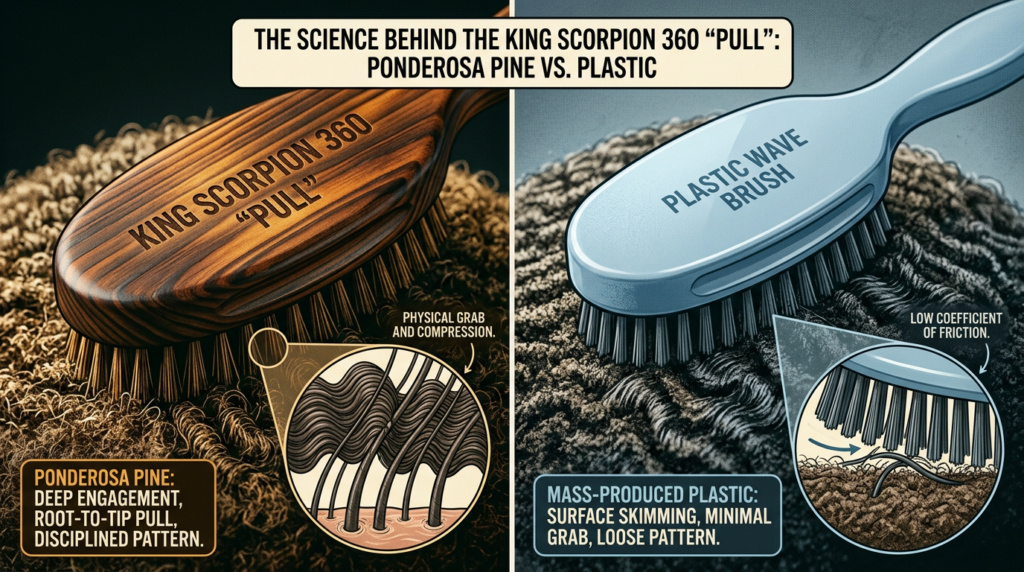 In the world of elite 360 waves, the “pull” is everything. It is the tactile sensation of a brush grabbing hair from the root and shifting it into a disciplined pattern. While mass-produced plastic brushes dominate the shelves of big-box retailers, serious wavers and master craftsmen are increasingly turning toward a more traditional, high-performance material: Ponderosa Pine. But why does a King Scorpion 360 feel fundamentally different than a standard plastic brush? The answer lies in the intersection of physics, material science, and the specific anatomy of the King Scorpion design.
 - The Foundation of the Pull: How Wood Density Impacts Your 360 Waves Pattern
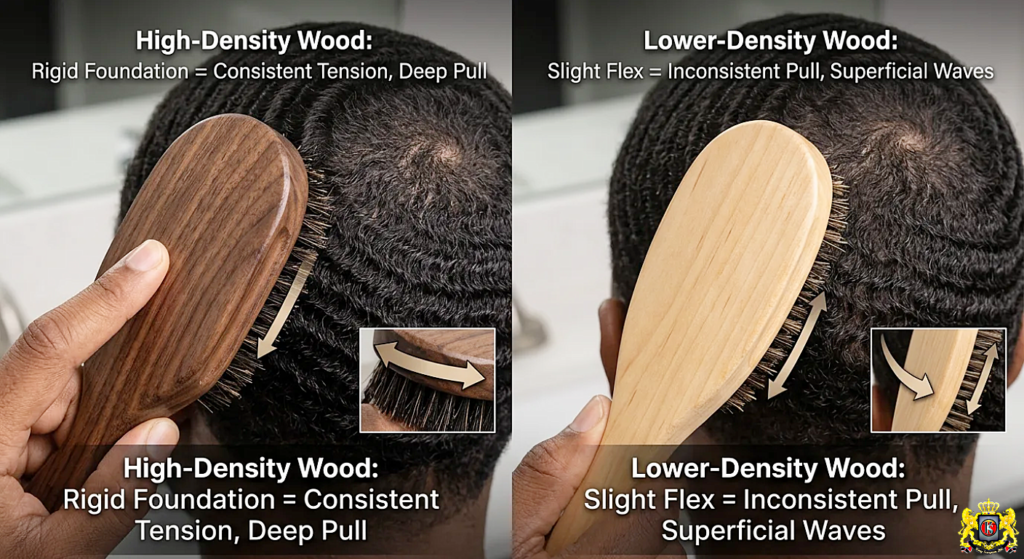 In the world of elite waving, the “pull” is everything. It’s that specific mechanical tension where the bristles grab the hair at the root and stretch it into the desired 360 pattern. While most focus on the bristles themselves, the choice of wood is the unsung hero that determines how that tension is delivered to your scalp. Here is why the high-quality wood used in a King Scorpion 360 makes a functional difference:
 - How to Order a King Scorpion 360 Custom Wave Brush
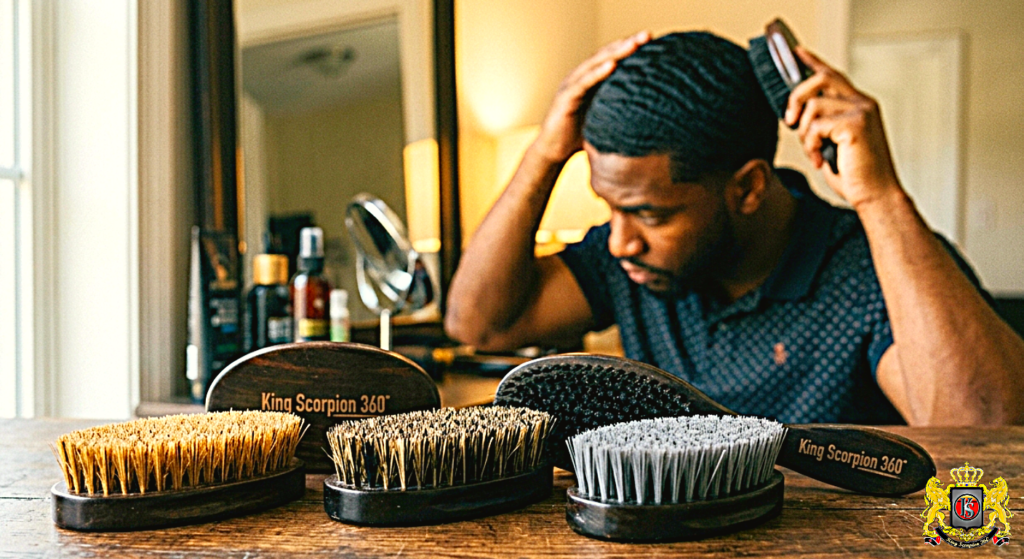 How to Order a King Scorpion 360 Custom Wave Brush When looking to enhance your grooming routine, especially for achieving the perfect 360 waves, a custom-made King Scorpion 360 Wave Brush can be an excellent choice. Here’s what you need to know before placing your order to ensure you get the best brush tailored to your needs.
 - Why Is the King Scorpion 360 Wave Brush Expensive?
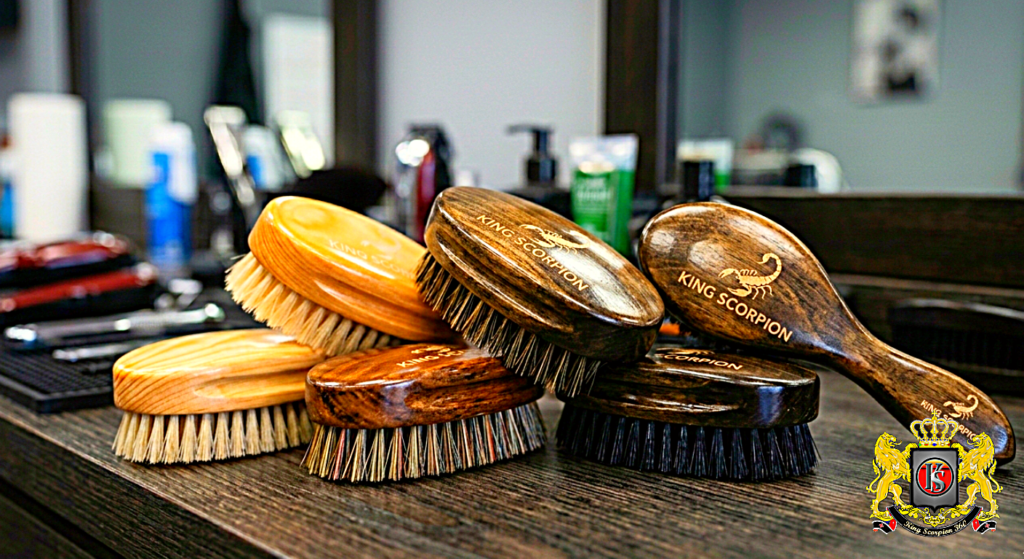 Discover why the King Scorpion 360 Wave Brush is worth the investment. Crafted with precision and advanced technology, this brush delivers exceptional quality and durability. With its reputation for excellence and its ability to create well-defined waves, it’s more than just a grooming tool—it’s a symbol of prestige and style. Find out why this brush is worth every penny and take your grooming experience to new heights. Shop online from trusted sites to ensure authenticity and compare prices for the best deal. Achieve flawless 360 waves with the King Scorpion 360 Wave Brush.
 - How to Keep Your 360 Waves Looking Good While Working Out: Sweat and Compression Tips
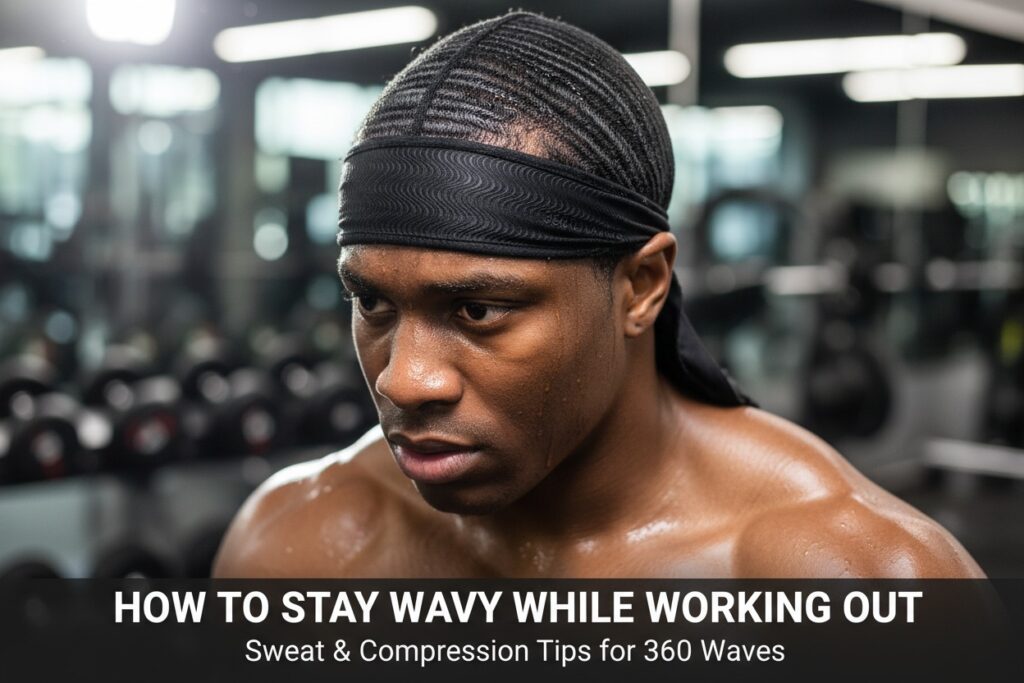 Maintaining deep, connected 360 waves requires a level of discipline that often feels at odds with a high-intensity fitness routine. Salt-heavy sweat can dry out hair, while movement can shift your pattern, potentially undoing weeks of “wolfing” progress in a single session. However, fitness and waves aren’t mutually exclusive. By treating your workout as a specialized maintenance phase rather than an obstacle, you can preserve your progress while hitting your personal bests.
 - Wolfing vs. Fresh Cut: Managing Your Pattern Between Barber Visits
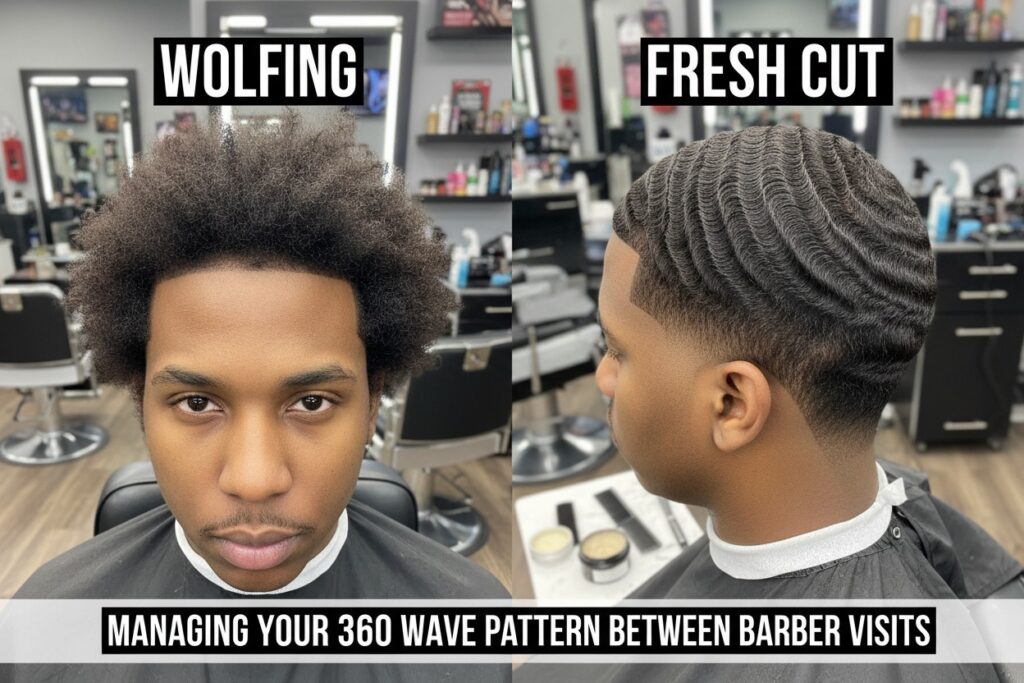 The wave journey is a pendulum swinging between two extremes: the crisp, flawless perfection of a Fresh Cut and the rugged, grueling discipline of Wolfing. Most wavers look great when they step out of the barbershop. But the true masters—the ones with 3D depth and flawless connections—know how to manage their pattern when the hair gets thick and starts fighting back. The secret to elite waves isn’t just how you brush; it’s how you adapt your routine to the length of your hair. Here is the master guide to navigating the three distinct phases between barber visits without losing your progress.
 - The Finish Line: Consistency is the Real “Cheat Code” for Growing 360 Waves
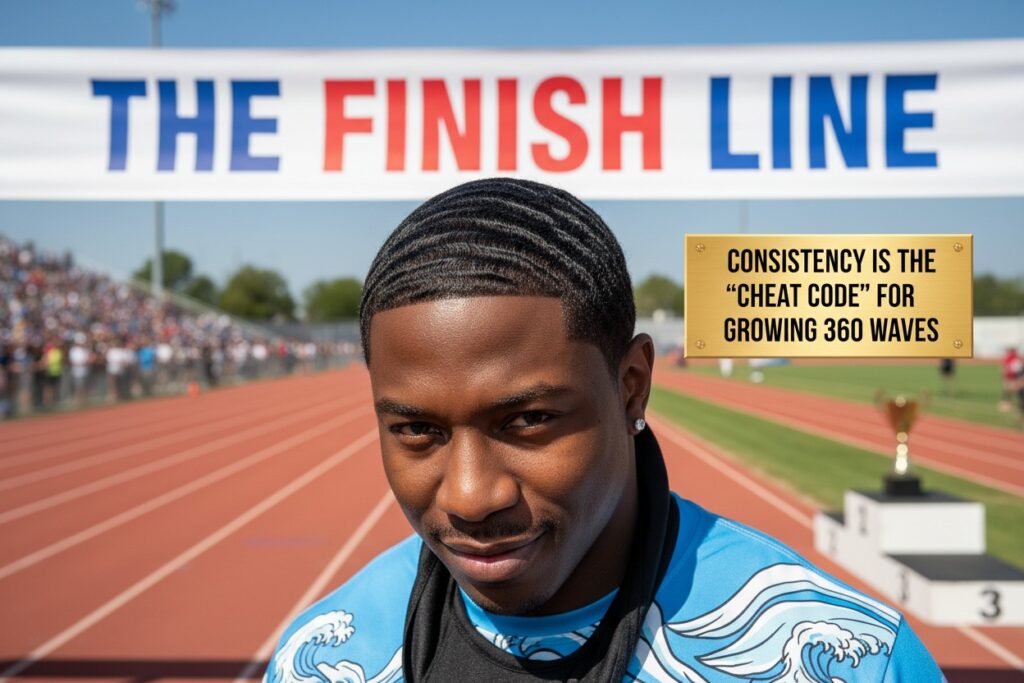 The Finish Line: Consistency is the Real “Cheat Code”
 - 7 Common Wave Mistakes When 360 Waves
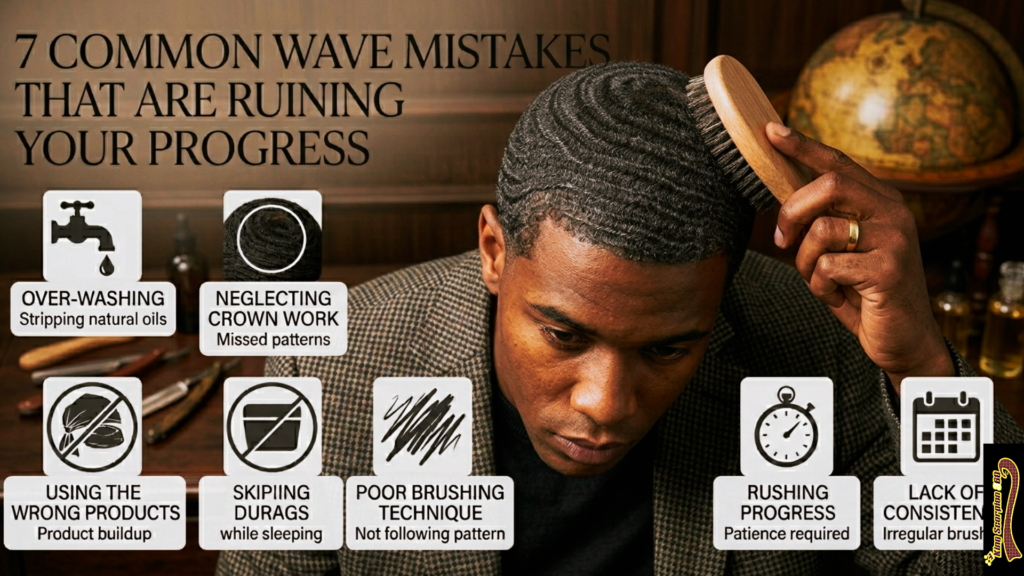 You’ve got the brushes, the durags, and the motivation. But sometimes, despite all that “brush work,” your waves seem to plateau—or worse, they start to disappear. Often, it’s not what you’re not doing; it’s the small, subconscious habits that are sabotaging your progress. If you want to move from “beginner” to “elite,” you have to stop these 7 common mistakes that are holding your pattern back.
 - Mastering 360 Waves: The Fork and The Thinning Crown
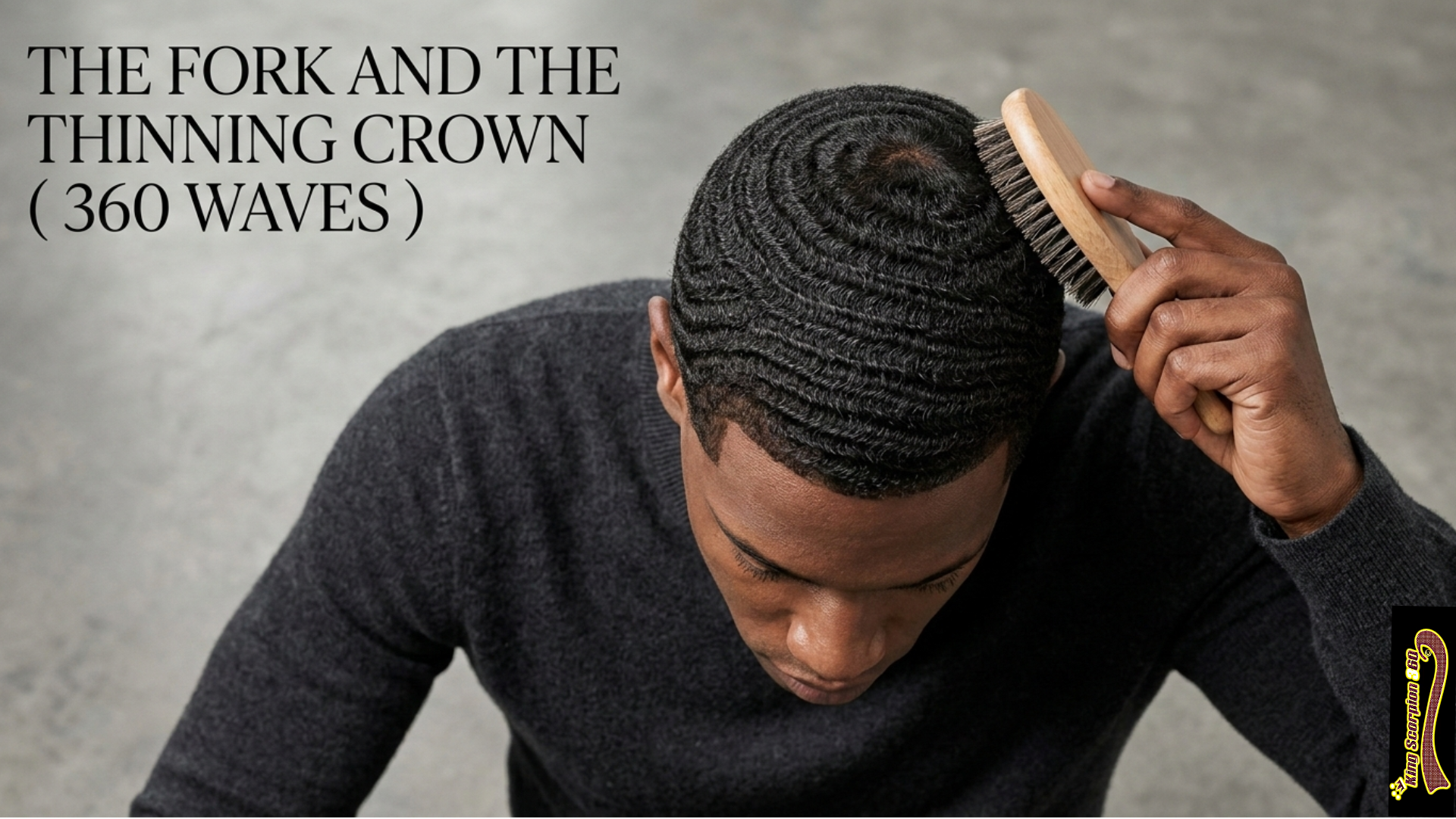 “Wave Emergencies” that keep wavers up at night: The Fork and The Thinning Crown If your pattern has a “split” (a fork) or your crown looks like a bald spot, don’t panic. These are fixable with “target practice” routines.
 - The “Blind Brushing” Trap: Why You Can’t Feel Your Way to 360s
 The “Blind Brushing” Trap: Why You Can’t Feel Your Way to 360s – These are the “make or break” moments for any waver trying to reach elite status.
 - The Master Wolfing Schedule (Phase-by-Phase)
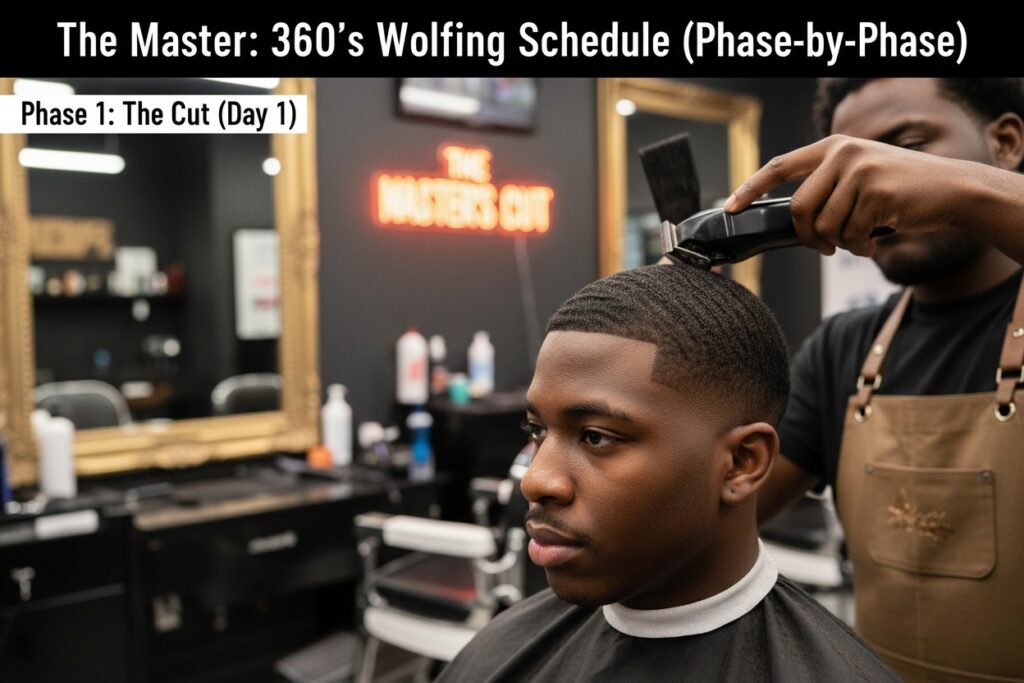 The Wolfing Duration Guide The goal is to stop wolfing at your “Curl Limit”—the point where your hair starts to over-curl and “scramble” the pattern.
 - The Master “Product Checklist” For Wolfing – Different Hair Types
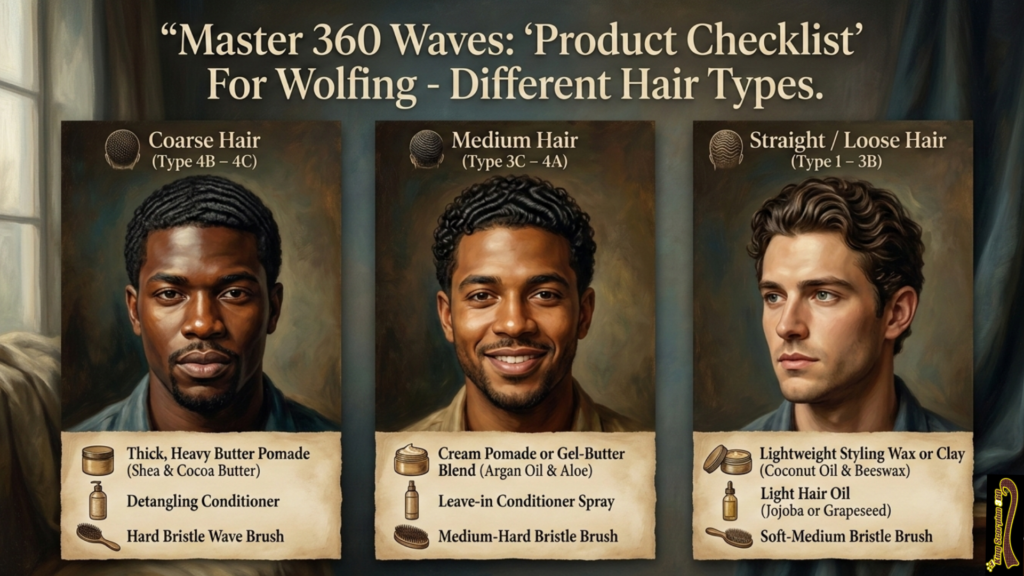 “Product Checklist” specifically for your hair texture to ensure you have the right hold and moisture for your wolf To keep your waves from “over-curling” during a wolf, you need a specific kit. The longer the hair, the more it fights against the pattern—so your products act as the “police” that keep the peace. Find your texture
Related Products
-
11/pc Medium Wave Brush Pomade 360 Wash Shampoo Gift Set
Price range: $17.32 through $42.12 -
360 Wave Booster Kit | Natural Wave Care Bundle
Price range: $20.00 through $85.00 -
360 Wave Hair Shampoo For 360 Waves
Price range: $16.32 through $42.12 -
8PCS 360 Wave Bundle Kit For Growing Waves
Original price was: $39.99.$26.32Current price is: $26.32. $26.32