The Anatomy of a Perfect 360 Crown
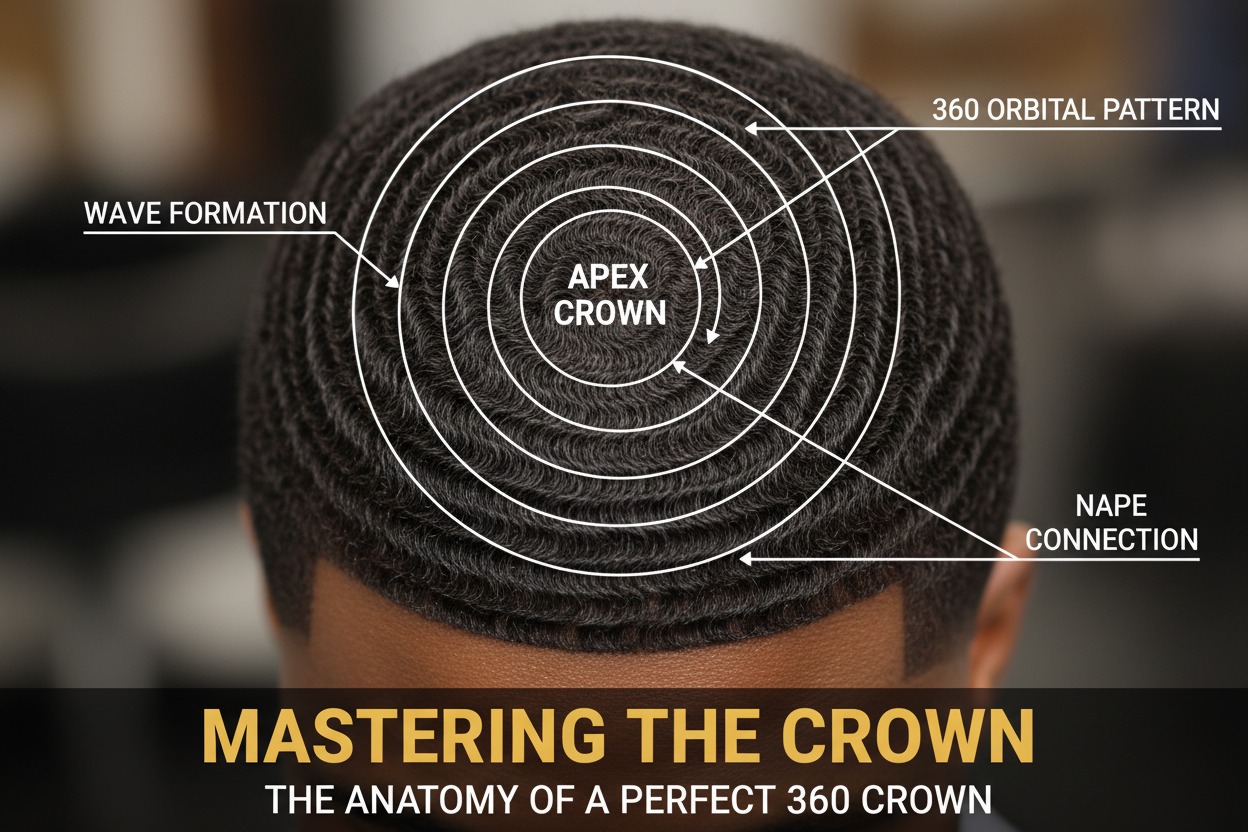
Mastering the Crown: The Anatomy of a Perfect 360 Crown. As we’ve discussed, the crown is the most critical juncture of your wave pattern. It acts as the “anchor” for the entire flow. If the crown is messy, the rest of the waves will eventually lose their alignment.

The image above illustrates the Wave Pattern, designed specifically for the isolation phase. When you are looking at your crown in the mirror, remember these three golden rules:
- Find the Eye: Every head has a natural “eye,” which is the specific spot where the hair naturally spirals and changes direction. This tiny circle is unique to each person and serves as a focal point for styling. To begin, use a toothbrush to carefully define and highlight this small area before you switch to a larger brush for the rest of the hair. This technique helps create a more precise and polished look.
- Pull, Don’t Push: Always make sure to brush gently away from the center rather than pushing across it. When you brush straight across the center, you end up creating what is known as a “blind crown,” a section where the hair overlaps and completely hides the scalp underneath. This overlapping effect makes it much more difficult to maintain a clean and tidy appearance, as the hidden scalp area becomes harder to keep neat and well-groomed over time.
- The Compressed Finish: After a heavy crown session, your hair will be agitated. Use a silk or velvet durag specifically to lay that area back down immediately while it’s still damp from your products.

Next Steps for Your Wave Journey
The crown is made up of approximately 90% discipline and only about 10% product. Given that you already have a strong grasp of the technical side of things, the key to success lies predominantly in maintaining consistent discipline and focus.
Mastering the Crown: The Architecture of the 8-Angle Method
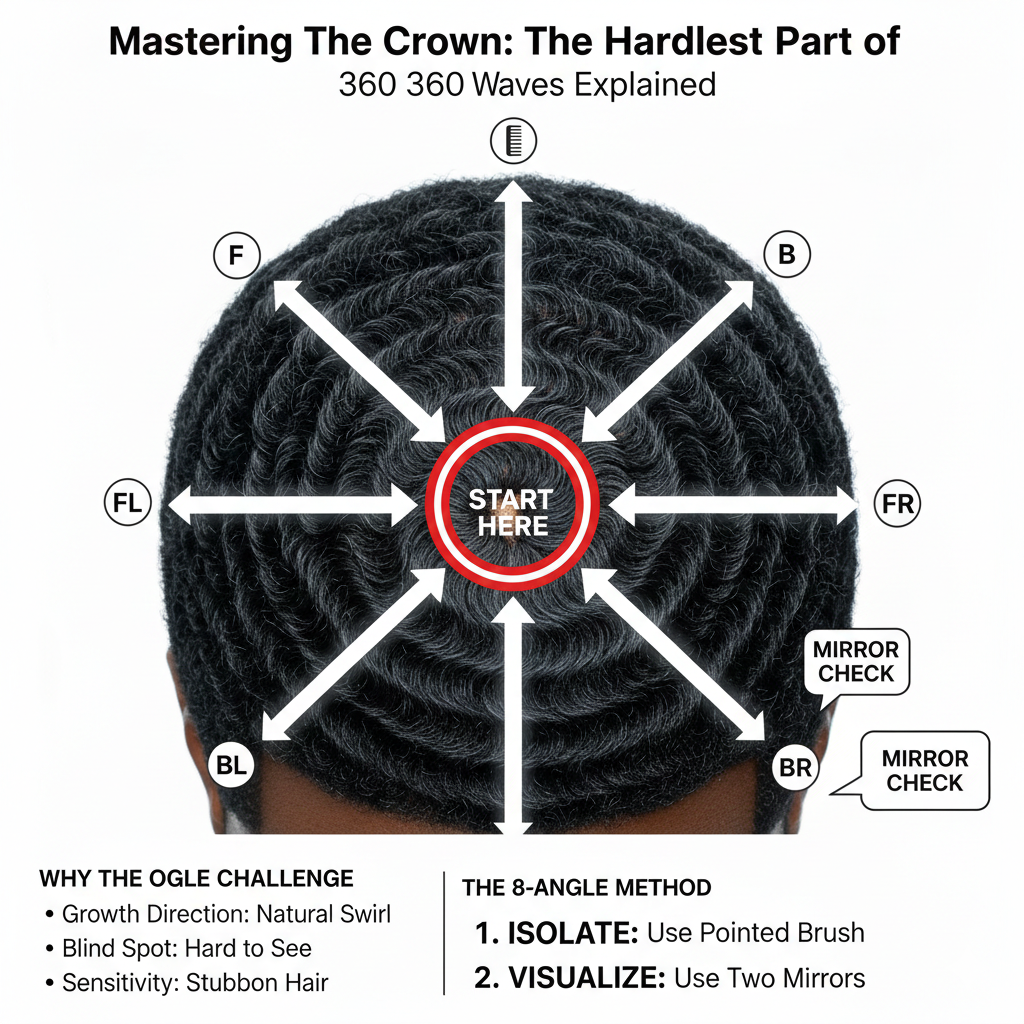
In the pursuit of the perfect 360 wave pattern, the crown is more than just the back of the head—it is the geometric origin of your entire style. Most wavers struggle because they treat the crown as an extension of the top or back. To achieve “elite” status, you must view the crown as a standalone 360-degree system. The 8-Angle Method is the industry standard for transforming a messy “bird’s nest” or a stubborn “blind spot” into a pinpoint, swirling masterpiece.
The Philosophy of the 8-Angle Method
The 8-angle method treats your head like a compass. By breaking the circular area of the crown into eight distinct sectors, you ensure that no hair is left unbrushed and, more importantly, that no waves overlap to create “forks.” Forks are the primary enemy of wave depth; they occur when you brush hair at conflicting angles. Precision at the crown prevents these ripples from clashing as they expand toward your hairline and ears.
Step 1: Locating the “Eye” (The True Center)
Before you pick up a brush, you must find your natural growth center. Use a high-quality hand mirror in conjunction with a wall mirror to find the exact point where your hair spirals.
- The Pro Tip: If your crown is currently a “mess,” grow your hair out for a 4-week “wolfing” session. This extra length makes the natural direction of the hair more visible, allowing you to map your angles with 100% accuracy.
Step 2: The Eight Vectors of Precision
Using the 8-Angle Method, you will move the brush in the following sequence, always starting from the exact center and pulling outward:
- North (True Vertical): Brushing straight toward the forehead.
- North-East: Brushing toward the temple on your dominant side.
- East (Horizontal): Brushing straight toward the top of the ear.
- South-East: Brushing diagonally toward the backside corner.
- South (True Vertical Back): Brushing straight down the nape of the neck.
- South-West: Brushing diagonally toward the opposite back corner.
- West (Horizontal): Brushing straight toward the top of the non-dominant ear.
- North-West: Brushing toward the opposite temple.
Step 3: Tool Selection for Crown Isolation
You cannot master the crown with a standard, wide-body brush. The wide surface area will inevitably hit hair from two different angles at once, causing overlap. To master the 8-angle method, you need:
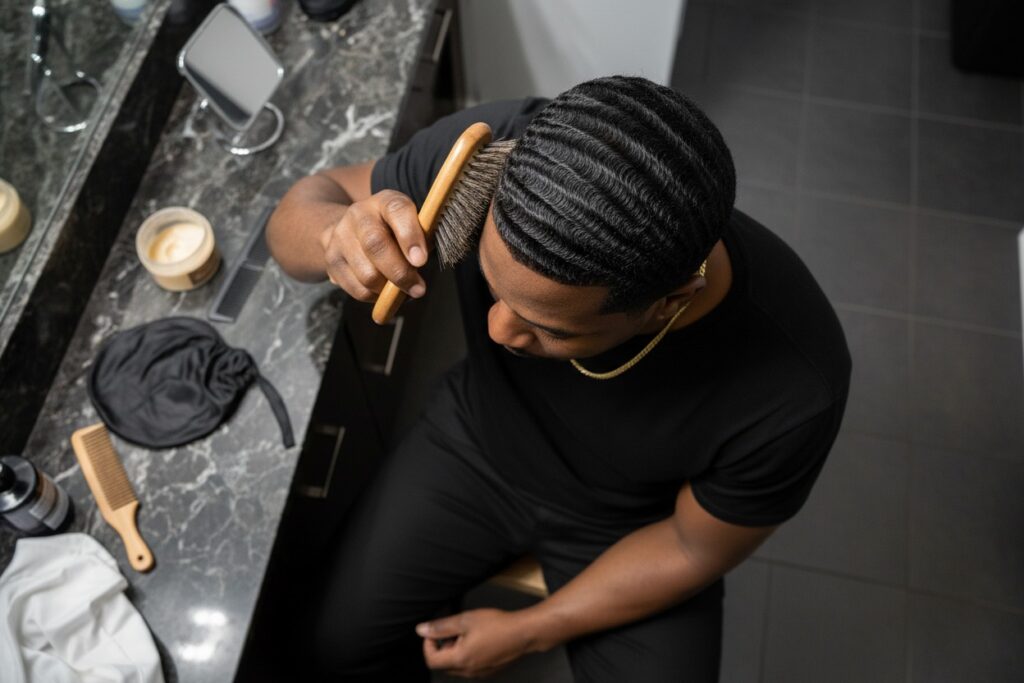
- A Pointed Wave Brush: These are designed with a tapered tip that allows you to place the bristles exactly on the “eye” of the crown without disturbing the waves next to it.
- The Toothbrush Method: For ultra-fine detailing, use a medium-firm toothbrush to “sculpt” the first half-inch of the crown. This level of detail is what separates a standard waver from an elite one.
Step 4: Compression and The “Crown Patch”
Once you have spent 20 to 30 minutes isolation-brushing, the hair will be highly “trained” but physically agitated. It wants to stand up.
- The Crown Patch: Place a small, circular piece of silk or velvet fabric directly over the crown.
- Double Compression: Put your primary durag over the patch, ensuring the knot is tied tight enough to apply vertical pressure to the crown but not so tight it leaves a “line” on your forehead. This targeted compression forces the crown to lie flat in the 8-angle pattern you just brushed.
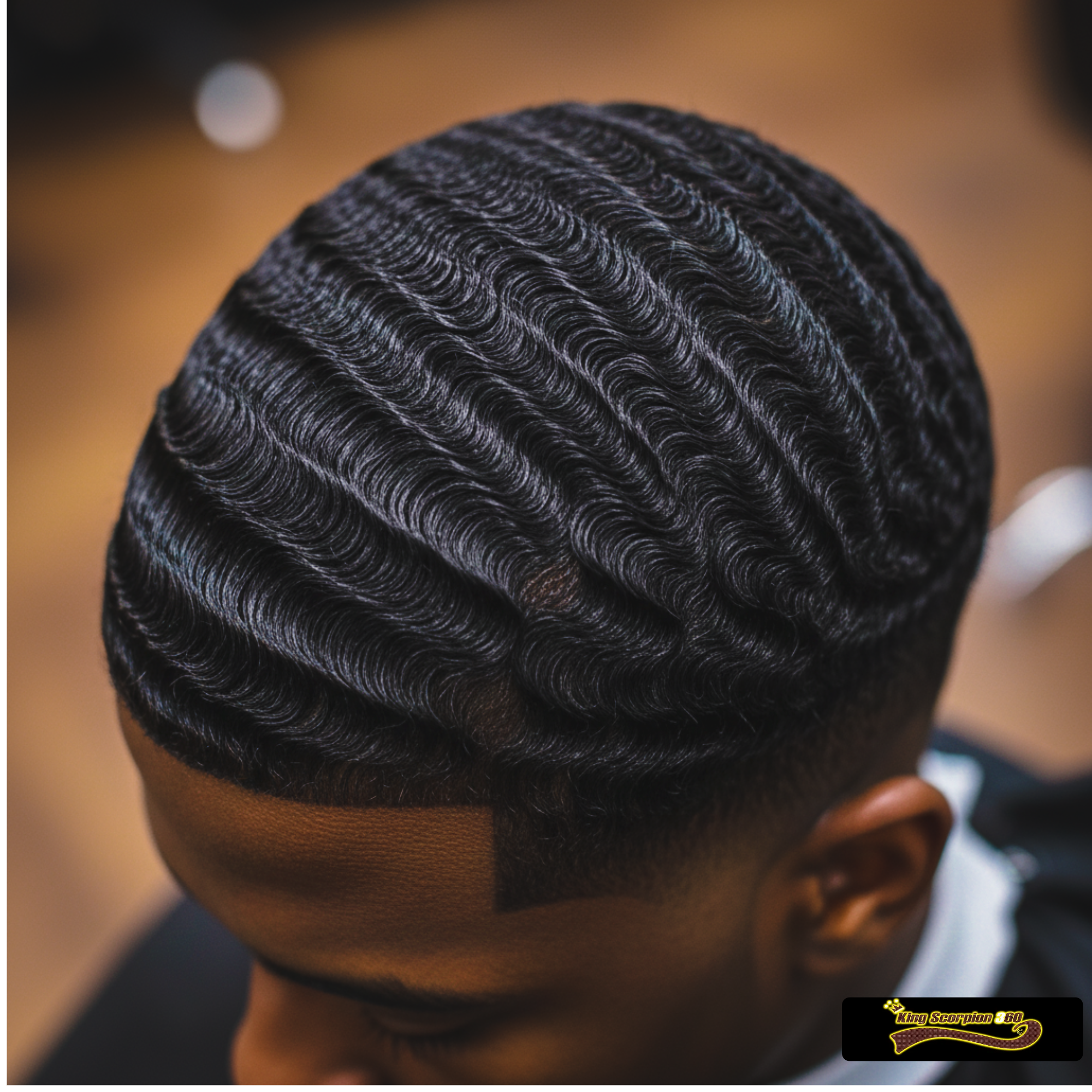
The Final Result
By consistently applying the 8-Angle Method, you eliminate the “hole” in the back of your head and replace it with a tight, swirling vortex. This creates a “connected” look where the waves flow seamlessly from the center of your head all the way to your taper, providing that hypnotic, 360-degree symmetry that defines the pinnacle of hair grooming.
More 360 Waves Tips
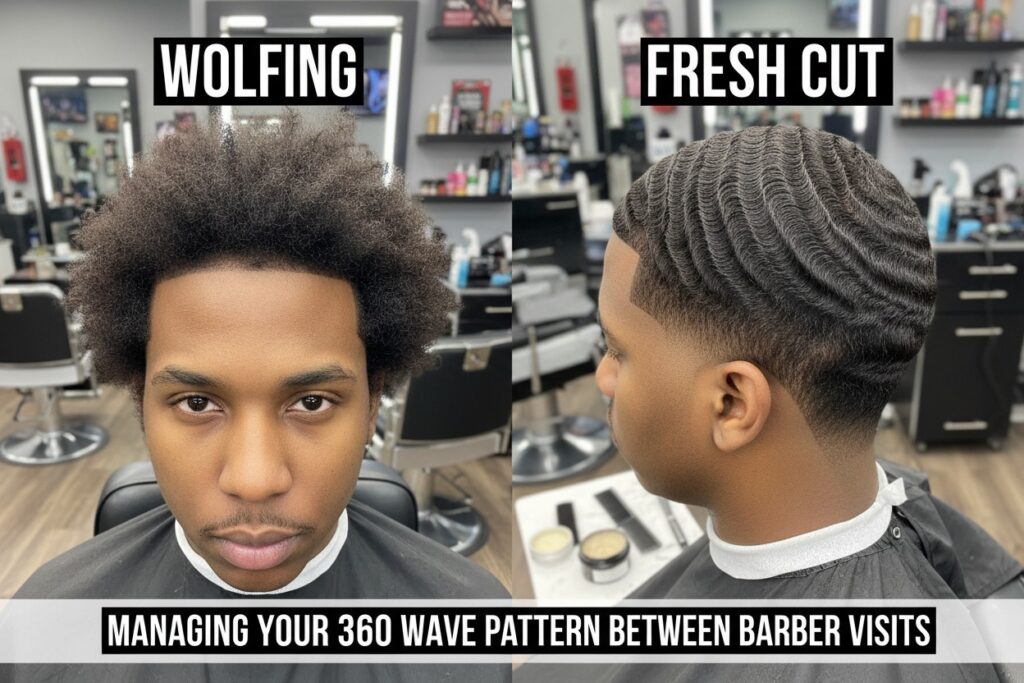

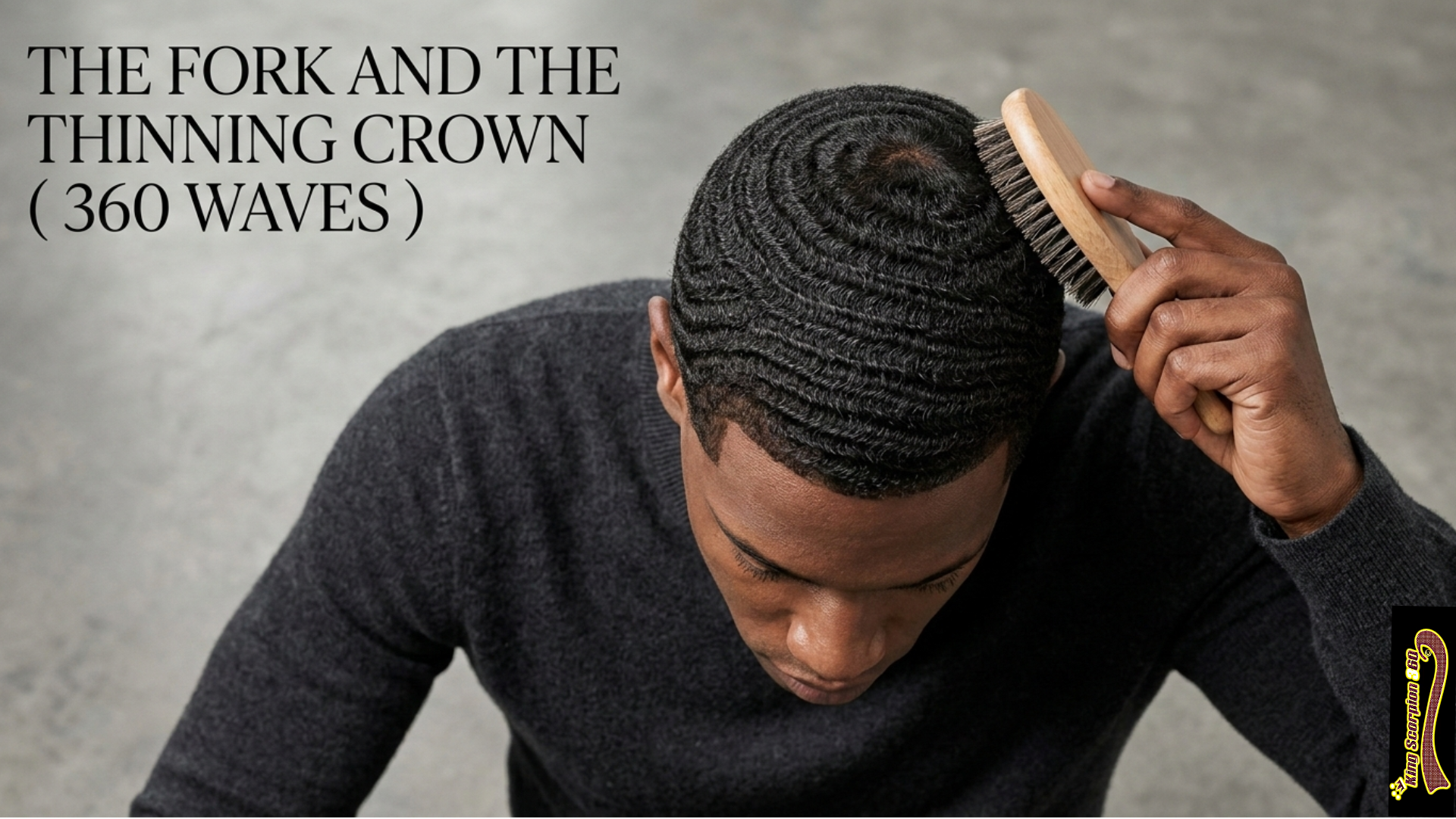

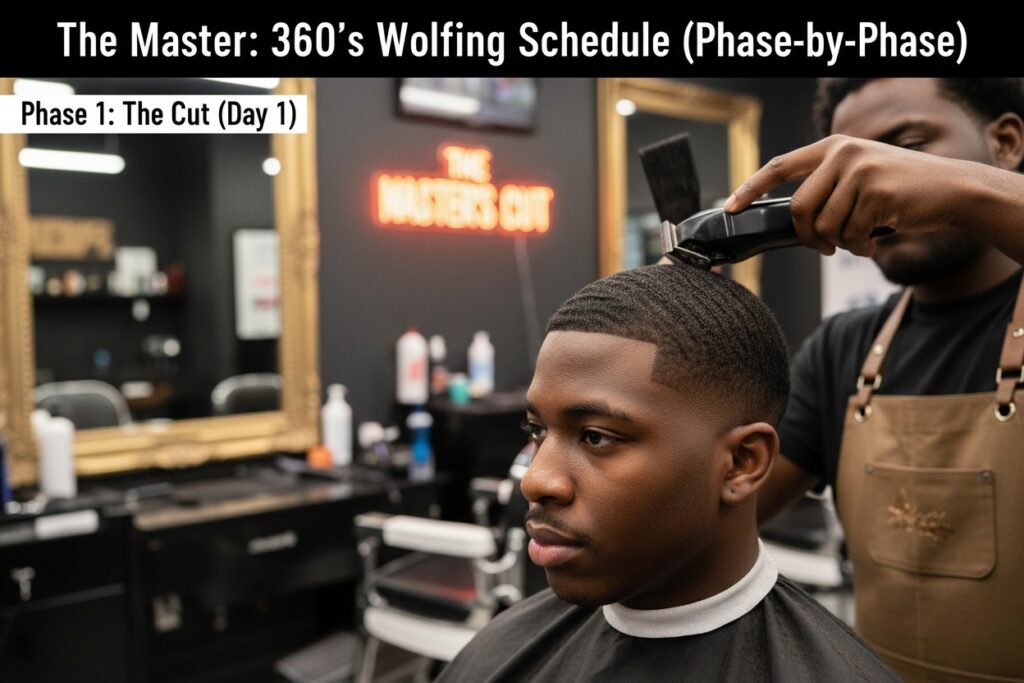
The Master Wolfing Schedule (Phase-by-Phase)
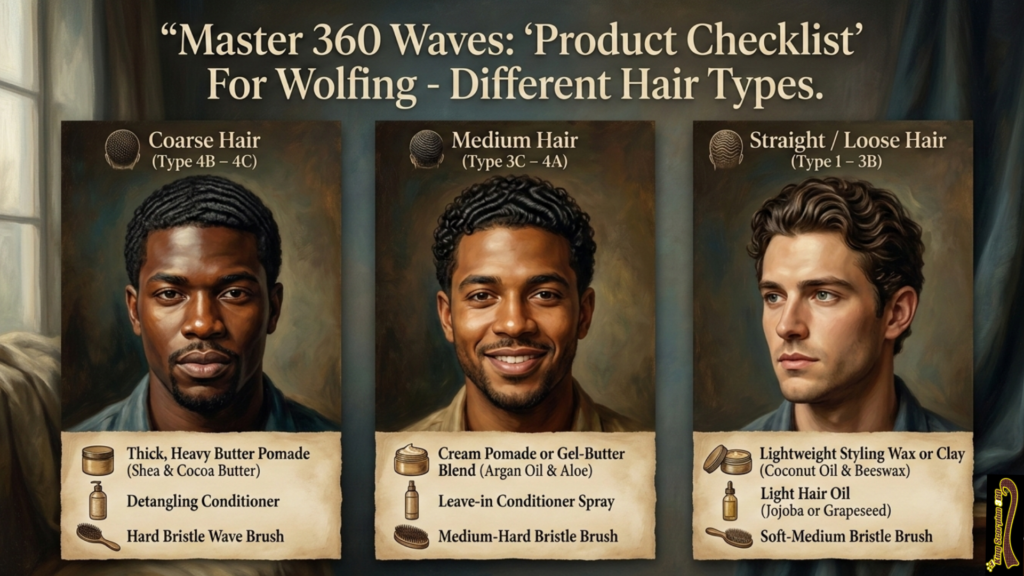
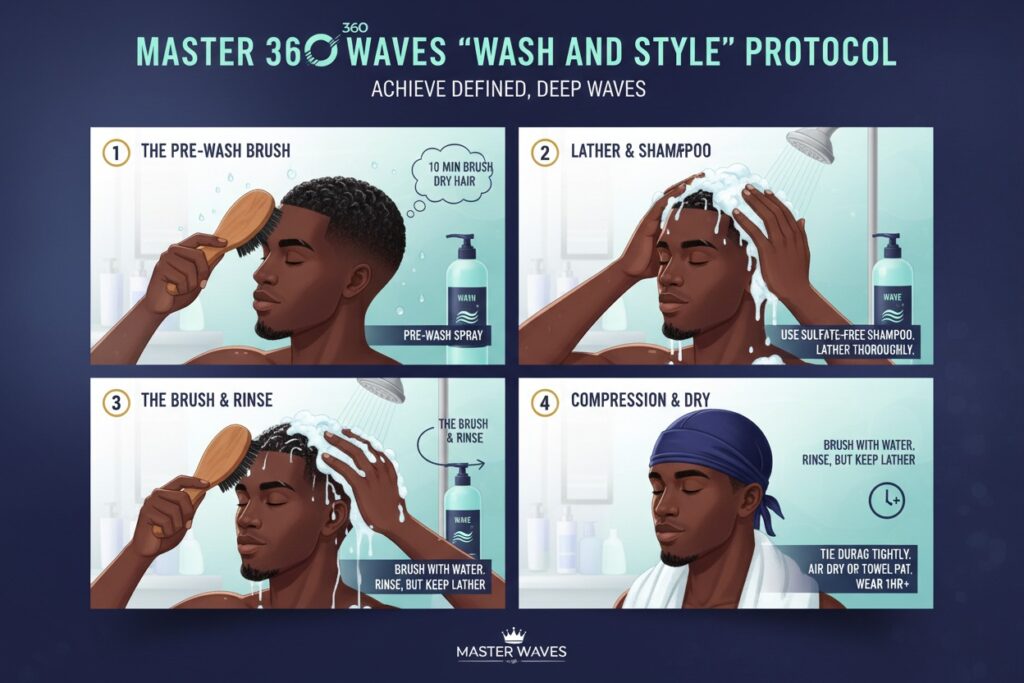
Master 360 Waves “Wash and Style” Protocol
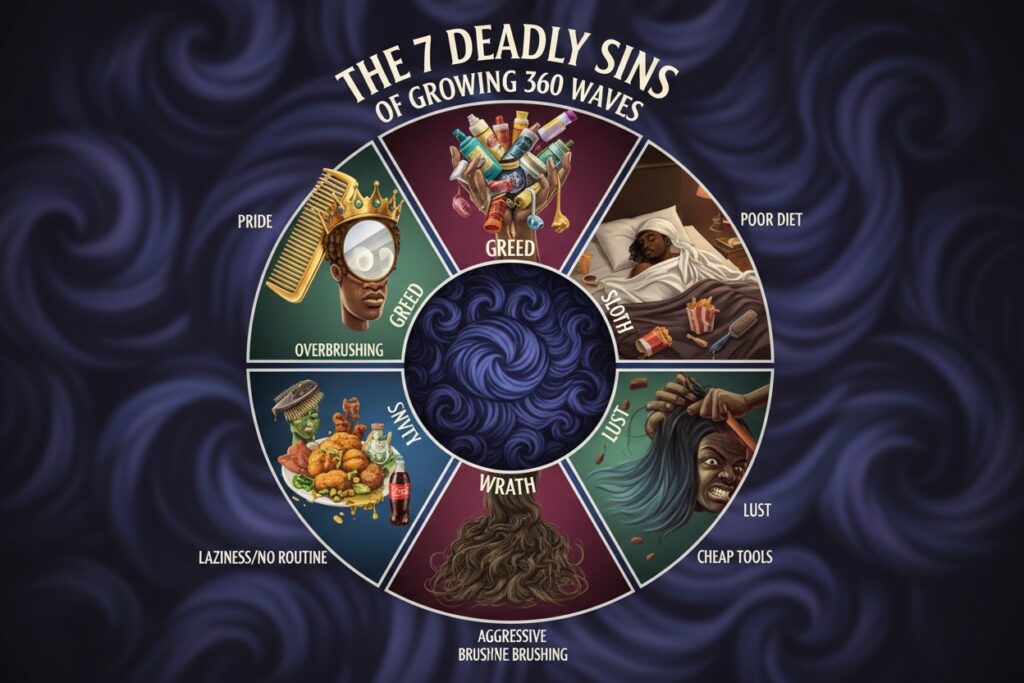
The “7 Deadly Sins” of Growing 360 Waves Master Class Edition
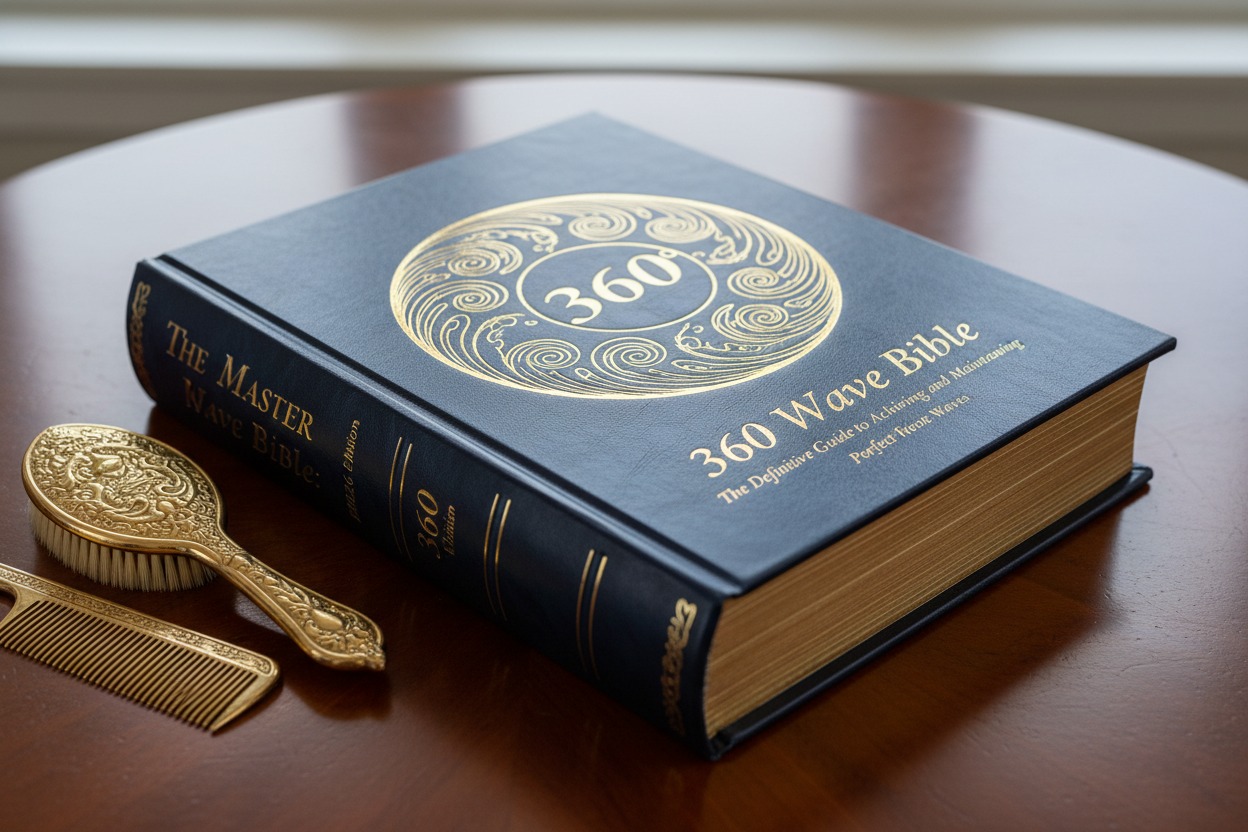
The Master Wave Bible: 2026 Edition
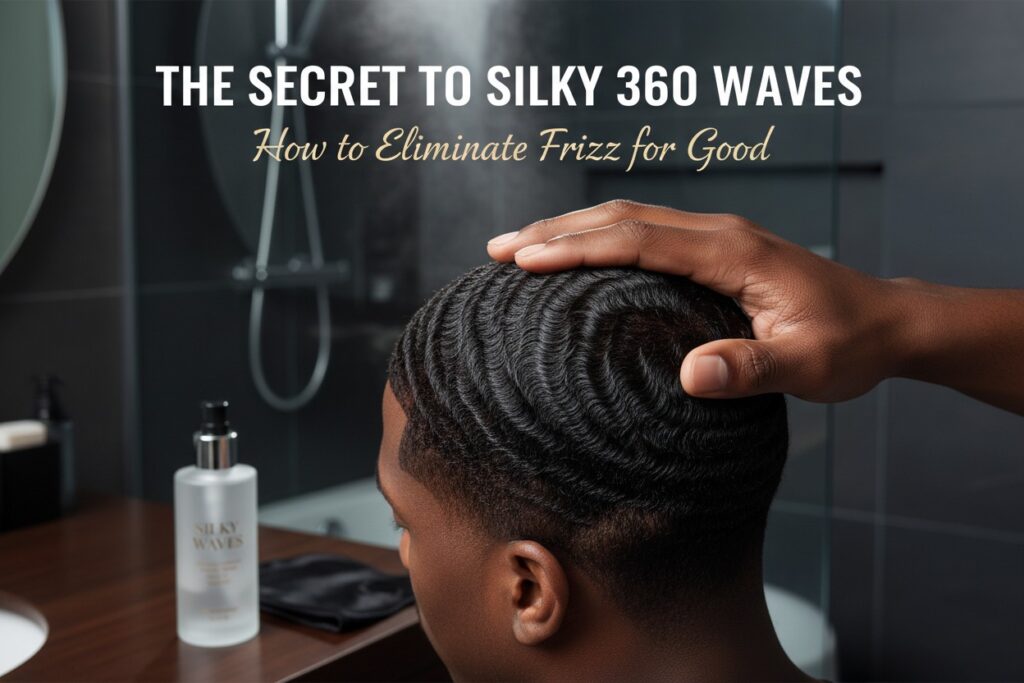
The Secret to Silky Waves: How to Eliminate Frizz for Good
Featured Products
King Scorpion 360 Medium Hard Wave Brush | Old Men’s Gold
Original price was: $500.00.$389.00Current price is: $389.00. $389.00Unisex Chinese Dragon Embroidered | Fat-Lace Velvet Du-rag
Original price was: $23.99.$6.99Current price is: $6.99.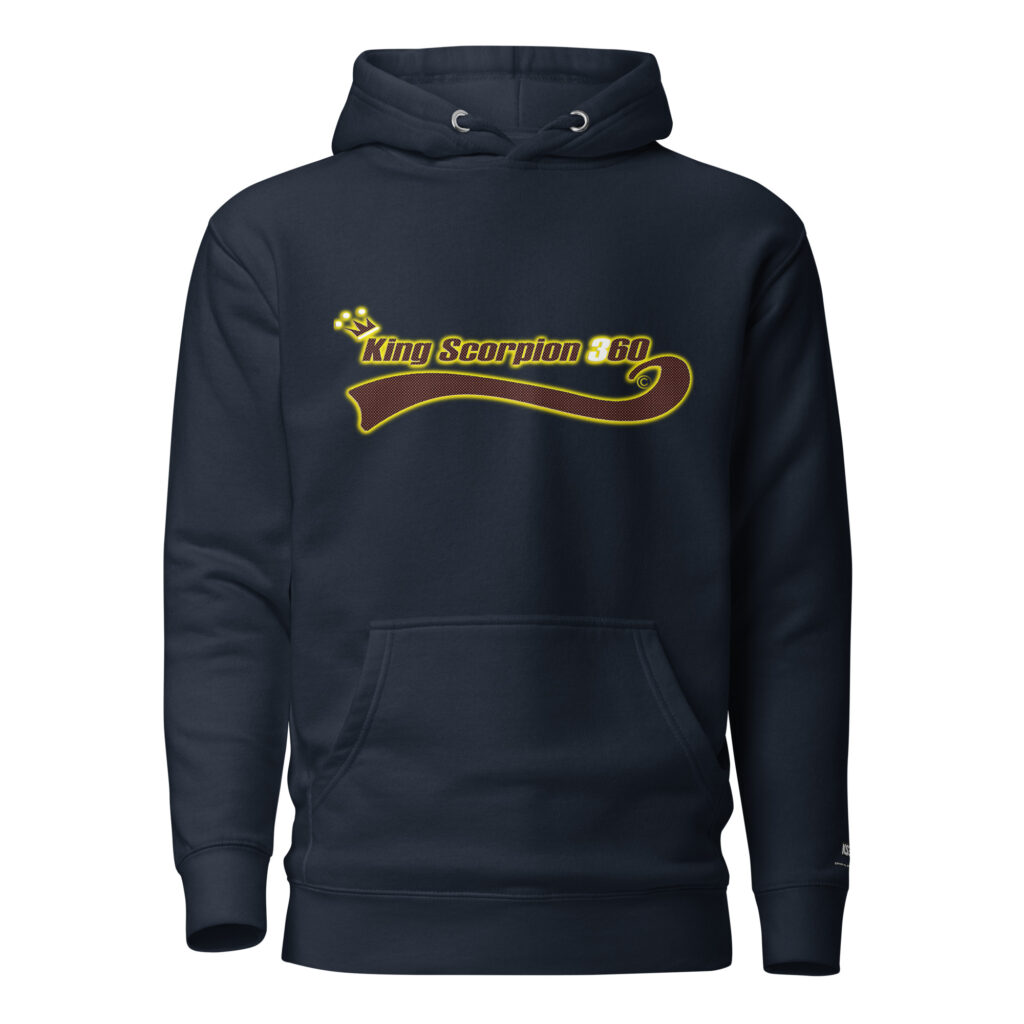
King Scorpion 360 Unisex Cotton Hoodie | Navy S-3XL
Price range: $65.20 through $66.70WAHL Magic Clip Professiona l Cordless Clippers
Price range: $98.97 through $214.89Space Printed Fat-Lace Short Tail Velvet Durag Bandanas Du-rags Wave Cap Do Durag
Price range: $8.89 through $9.03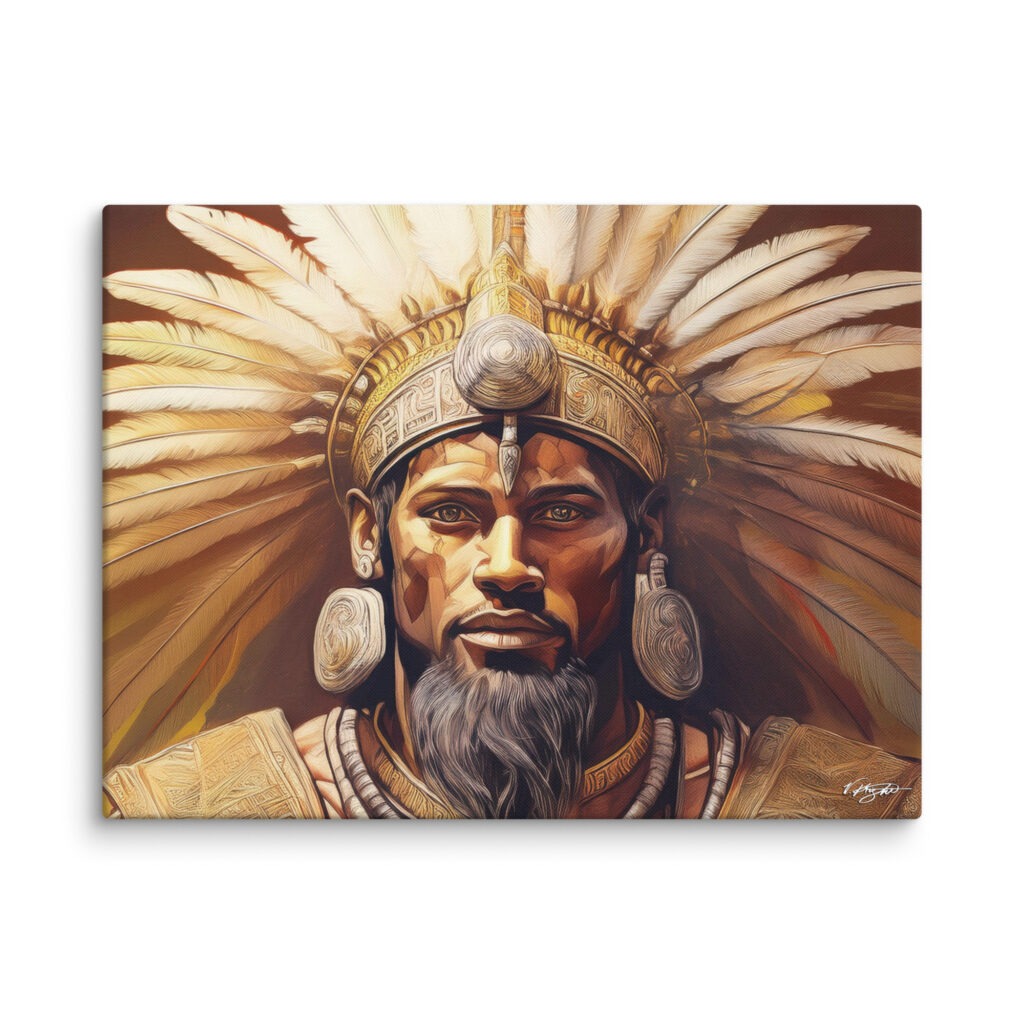
Canvas Art by V. Knight | #CA5-77
Price range: $39.50 through $114.50Scorpion 360 Large Fat-Lace Silk Du-Rag & Wave Cap
Price range: $65.00 through $125.00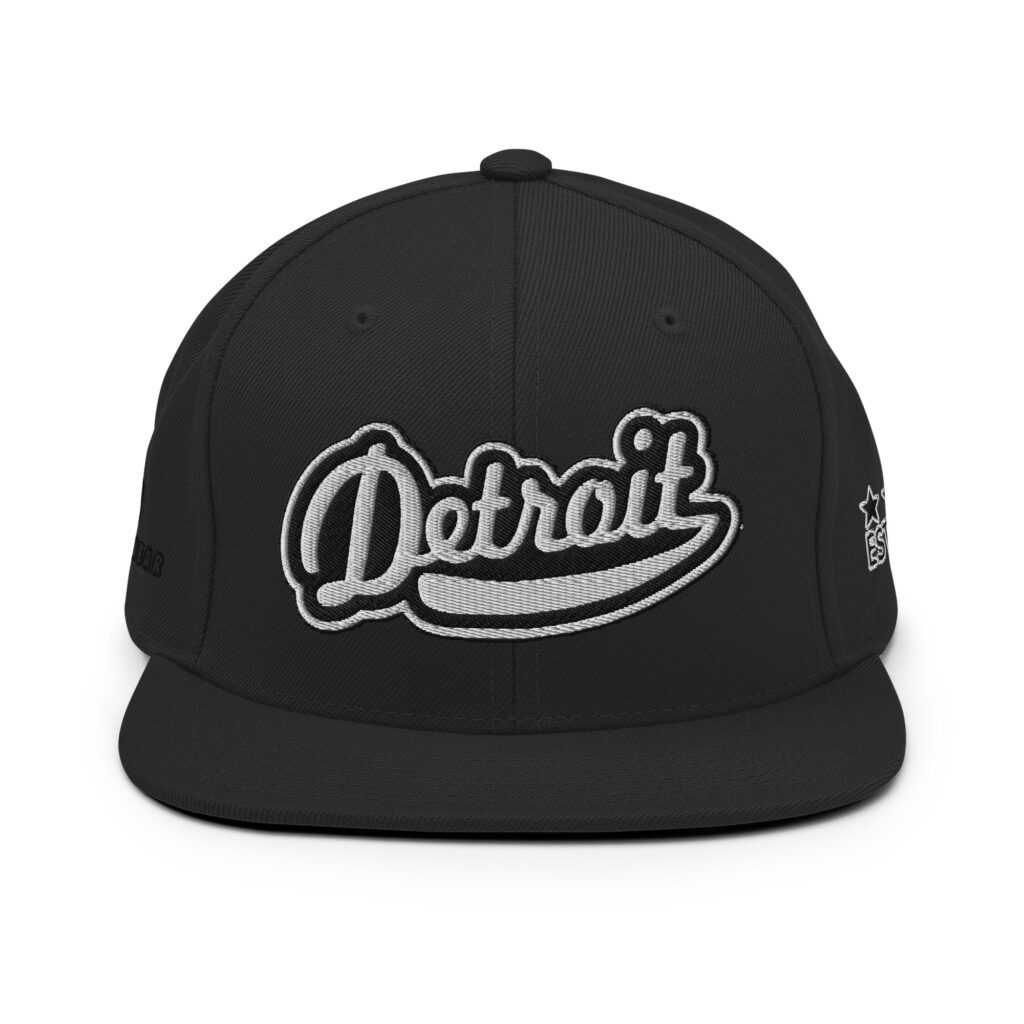
KS3 | Detroit Snapback Cap | Black/ White
$55.20 $55.20
KS3 | Detroit Snapback Cap | Heather Grey/ Black/ Yellow
$55.20 $55.20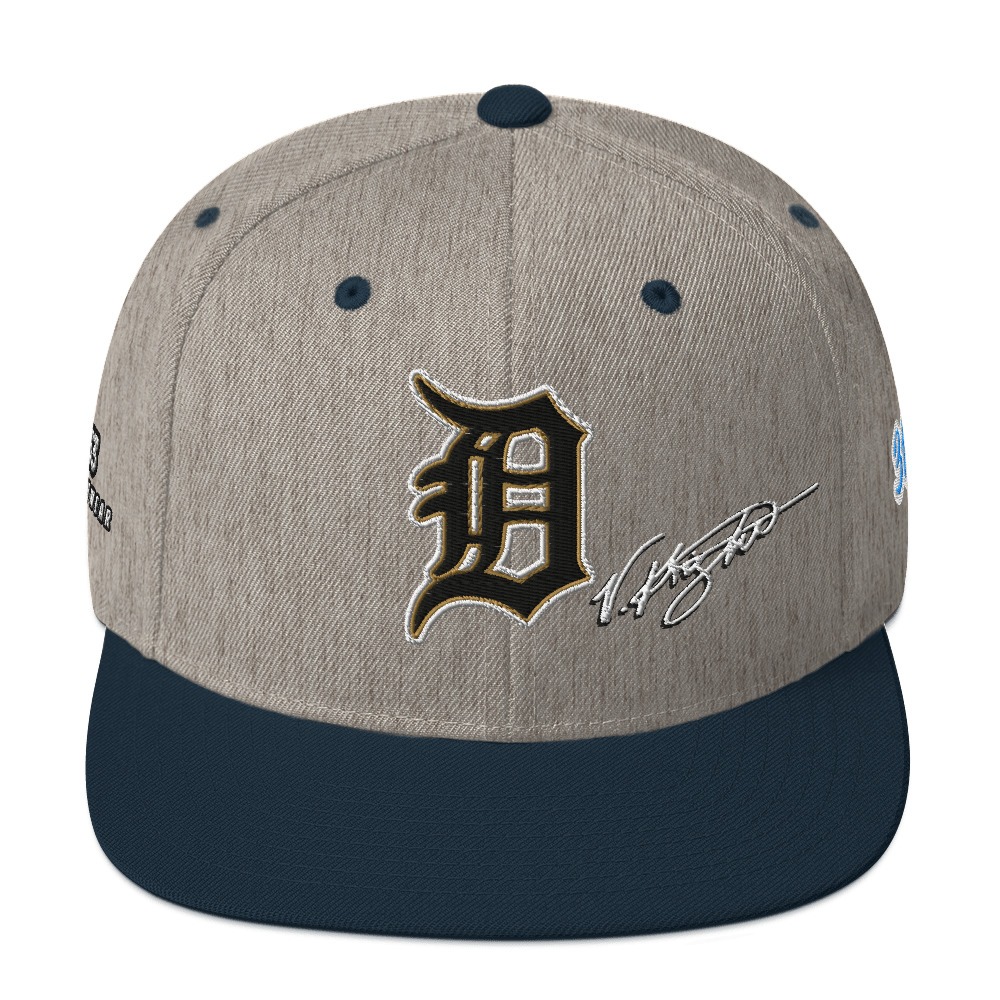
KS3 | Detroit Snapback Cap | Heather Gray/ Navy Blue
$55.35 $55.35





Discover more from King Scorpion 360
Subscribe to get the latest posts sent to your email.